
Afterschool as the Missing Half of the Learning Day
The school day often gets all the attention. Lessons, grades, and classroom performance are seen as the main measure of a child’s development. Yet the hours that follow school are just as important. Afterschool time is where children process what they have learned, emotionally reset, and continue developing essential life skills.
In Hudson and Monroe Hoboken, many parents rely on structured afterschool programs because the school day alone is not enough. Children need continuity, not just instruction. Afterschool provides that bridge between academic learning and home life.
Research from the National Center for Education Statistics shows that structured afterschool participation is linked to improved academic outcomes and better behavior. The key insight is clear: learning does not stop when the bell rings.
Afterschool and Emotional Recovery After School
A full school day can be overwhelming for children. They experience academic pressure, social interaction, and constant stimulation. Without proper support, this can lead to fatigue or emotional overload. Afterschool environments help children recover in a structured and healthy way.
In Hudson and Monroe Hoboken, parents increasingly look for afterschool programs that prioritize emotional well-being. These programs allow children to slow down, talk about their day, and engage in calming activities.
Afterschool is not just supervision. It is emotional support in action. Children learn how to manage feelings, express frustration, and transition from structured learning to relaxed engagement. Over time, this helps build emotional resilience that carries into adulthood.
Afterschool and Academic Reinforcement Without Pressure
Afterschool plays an important role in reinforcing academic concepts. However, the approach is different from school. There is less pressure, more guidance, and a stronger focus on understanding rather than performance.
In effective afterschool settings, educators help children revisit homework step by step. This makes learning feel manageable instead of stressful. In Hudson and Monroe Hoboken, this approach is especially valuable for working families who want consistency without added pressure at home.
The American Academy of Pediatrics highlights the importance of structured learning environments outside school hours. Afterschool is not about repeating school. It is about strengthening understanding.
Afterschool and Social Development in Everyday Interaction
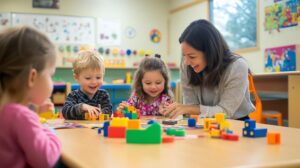
Children do not only learn from books. They learn from people. Afterschool environments provide a natural space for social development. Unlike the structured classroom, afterschool settings are more flexible and relaxed.
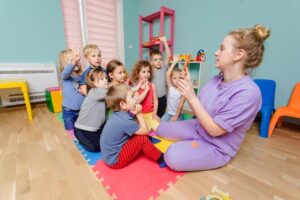
Children engage in group activities, games, and collaborative tasks. These experiences help them learn communication, patience, and teamwork. In Hudson and Monroe Hoboken, many parents notice that afterschool participation improves their child’s ability to interact with peers.
Afterschool also helps children build friendships outside their usual classroom group. This expands their social world and improves adaptability. Social confidence is not taught directly; it is developed through repeated experience.
Afterschool as a Space for Creativity and Exploration
Creativity is a critical part of child development, yet it is often limited during school hours due to structured curricula. Afterschool programs fill this gap by offering space for exploration and imagination.
Children may engage in art, storytelling, building activities, or STEM-based experiments. These experiences encourage flexible thinking and problem-solving. In Hudson and Monroe Hoboken, many afterschool programs now integrate STEM and creative learning together.
Afterschool allows children to experiment without fear of failure. This freedom is important for cognitive growth. Studies from confirm that creative engagement supports long-term academic and emotional development.
Afterschool in Hudson and Monroe Hoboken: Local Needs and Real Solutions
In urban communities like Hudson and Monroe Hoboken, afterschool care is more than a convenience. It is a necessity for many working families. Parents need safe, structured environments that support both learning and emotional well-being.
Afterschool programs in these areas often become extensions of the school day. They provide stability during a critical part of the child’s routine. This continuity reduces stress for both children and parents.
Families in Hoboken often prioritize programs that balance academics, emotional care, and structured play. A strong afterschool environment delivers all three without overwhelming the child.
How to Choose the Right Afterschool Program
Selecting the right afterschool program requires careful evaluation. Parents should not focus only on location or cost. The quality of care, structure, and communication matters more.
A strong afterschool program will have a clear daily routine. Children should appear engaged, calm, and supported. In Hudson and Monroe Hoboken, many programs offer trial visits so parents can observe firsthand.
Communication is also essential. Good afterschool programs provide regular updates on behavior, progress, and activities. This helps parents stay connected to their child’s daily experience.
Finally, parents should think long-term. Afterschool is not just about filling time. It is about shaping development in a meaningful way.
Afterschool as a Foundation for Lifelong Growth
Afterschool programs influence more than just the hours after school. They shape emotional stability, academic confidence, social behavior, and creativity. These are foundational skills that affect long-term development.
In Hudson and Monroe Hoboken, the demand for high-quality afterschool care continues to grow. Families understand that what happens after school is just as important as what happens during it.
Afterschool is not a secondary service. It is a core part of a child’s daily development cycle. When designed well, it becomes a safe, structured, and enriching environment that supports every aspect of growth.
If you are considering afterschool options, focus on programs that prioritize balance, safety, and development. The right environment can make a lasting difference in your child’s life.
FAQs
1. Why are afterschool hours so important for child development?
Afterschool hours are important because they help children transition from structured learning to emotional and social development. These hours support relaxation, reinforcement of learning, and personal growth in a balanced environment.
2. How does afterschool improve academic performance?
Afterschool programs reinforce classroom learning in a less stressful setting. Children receive guided support for homework and concepts, which improves understanding and builds confidence over time.
3. What activities are typically included in afterschool programs?
Afterschool programs often include homework help, group play, creative arts, STEM activities, and social learning exercises. In Hudson and Monroe Hoboken, many programs also include enrichment-based learning.
4. How does afterschool support emotional well-being?
Afterschool provides a calm and structured environment after a busy school day. Children are able to decompress, express feelings, and adjust emotionally, which helps reduce stress and improve behavior.
5. What should parents look for in a good afterschool program?
Parents should look for safety, structure, communication, and engagement. A strong afterschool program will support academic learning while also focusing on emotional and social development in a balanced way.