
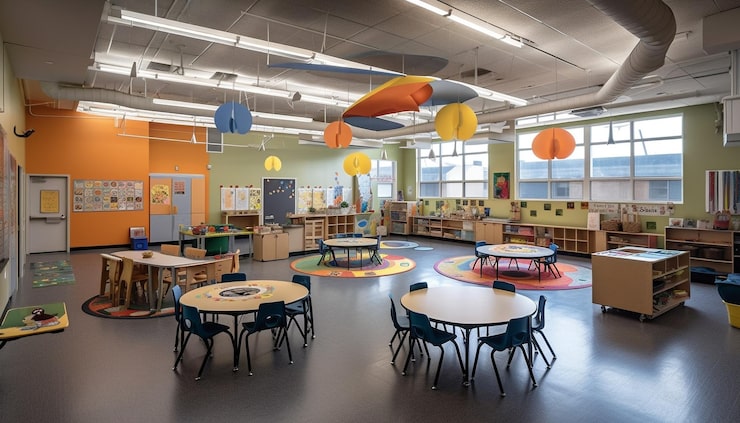
The tears at the classroom door can break any parent’s heart. Your child clings to your leg, and you feel torn between staying and leaving. Please know that you are not alone. Separation anxiety is one of the most common parts of early childhood, and it is a sign of a healthy bond. With patience and a steady plan, it nearly always gets easier. Here is a calm, practical guide for Hoboken families.
What Is Separation Anxiety in Preschool?
Separation anxiety is the distress children feel when they are apart from the people they love most. It often shows up as crying, clinging, or begging a parent not to go. Some children also complain of tummy aches or ask the same question again and again. This usually starts in infancy and can return when something new happens, such as the first day of school. The American Academy of Pediatrics explains that these feelings are a normal part of development. In a caring preschool, teachers expect them and know how to respond with warmth.
What Is Normal and What Is Not
Most children show some worry when they begin a new routine. Tears at drop-off, extra cuddles at night, and a few clingy days are all typical. Many children cry hard for a few minutes and then join an activity happily. Progress also tends to come in waves, so a great week may be followed by a rough Monday. Those ups and downs do not mean something is wrong. The Centers for Disease Control and Prevention offers free milestone checklists that show what to expect at each age.
Some signs deserve closer attention. These include distress that lasts for many weeks without easing, panic that stops your child from taking part in the day, or frequent physical complaints with no clear cause. Refusing to go anywhere without you, or intense fear of losing a parent, may also be a signal. If you notice these patterns, talk with your child’s teacher and pediatrician. Early support can make a real difference.
Why Preschool Drop-Off Is So Hard
Young children do not yet understand time well. When you leave, they may not know that you are coming back soon. Everything in a new classroom is unfamiliar, from the faces to the sounds to the rules. Children also pick up on adult feelings, so a worried goodbye can raise their own worry. Big changes at home, like a new sibling or a move, can add to the stress. Understanding the reasons helps you stay patient and kind.
Before the First Day: Build Comfort Early
Preparation is your best tool. Visit the classroom ahead of time so the space feels familiar. You can schedule a tour at our Hudson Street or Monroe Street school and let your child meet their teachers. Read picture books about starting school, and talk about the day in cheerful, simple words. Practice short separations with a grandparent, sitter, or friend. Start with an hour and build slowly, so your child learns that goodbyes are always followed by reunions.
Create a Goodbye Routine That Works
A steady routine gives children a sense of control. Keep it short, warm, and the same every day. A hug, a special handshake, and a wave at the window work well for many families. Tell your child clearly that you will be back after a certain event, such as after snack or after rest time. Always say goodbye, even if tears are likely. Sneaking out may seem kinder, but it can break trust and make worries grow.
Then leave with confidence. Lingering sends the message that school might be unsafe. Teachers are skilled at comforting children and guiding them into play. Most children settle within minutes of a parent leaving. If you need reassurance, ask the teacher for a quick update later in the day.
Helpful Tools for Home and School
Small comforts can ease big feelings. Here are some ideas to try:
- A tiny family photo tucked in a backpack
- A comfort item, if the school allows it
- A love note or drawing in a lunchbox
- A “kissing hand” or heart drawn on a palm
- A simple picture schedule showing the day ahead
- Extra cuddles and calm time after pickup
Check your school’s policy on comfort items first. Teachers can also pair a child with a friendly classmate or give them a special job, like handing out napkins. A purposeful task shifts attention from worry to pride.
What to Say and What to Avoid
Your words matter. Say things like “I know this is hard, and I know you can do it.” Name the feeling without rushing to erase it. Avoid saying “Don’t cry” or “There is nothing to be scared of.” These phrases can make children feel unheard. Never bargain with bribes or threats. Instead, stay calm, loving, and consistent. When children feel understood, their fears often shrink faster.
Care for Yourself Too
Your feelings are part of the picture. It is normal to feel guilty, sad, or anxious after drop-off. Plan something kind for yourself, such as a walk along the Hoboken waterfront or a coffee on Washington Street. Connect with other parents, because many are going through the same thing. Church Square Park and Pier A Park are lovely places for weekend meetups. The National Association for the Education of Young Children notes that strong partnerships between families and teachers help children feel secure. When you feel steady, your child feels steady too.
Work With Your Child’s Teachers
Communication is key. Share news from home, like a rough night or a big change. Ask what your child does after you leave and which activities they enjoy most. Teachers can adjust routines and offer extra comfort where needed. Our preschool program welcomes children ages three and four, and our curriculum supports social-emotional growth in a safe, respectful community. Families who need extended care can also explore our afterschool program. Together, you and the teacher can create a plan that fits your child.
Let Step by Step Walk Alongside You
Separation anxiety is a season, not a forever. With love, patience, and the right support, your child will grow braver every week. Our caring team is here to answer questions and help your family feel confident. Browse our Frequently Asked Questions, then contact us to plan a visit. When you are ready, our registration page makes enrolling simple. Come discover where your child’s next step begins.
Frequently Asked Questions About Preschool Separation Anxiety
1. How long does separation anxiety last in preschool?
Most children adjust within two to four weeks, though some need longer. Progress usually comes in waves, so setbacks after weekends, holidays, or illness are common. Consistent routines and a calm goodbye speed things up. If distress continues for more than a month or seems to be growing, speak with the teacher and your pediatrician. They can help you look at what is going on and plan next steps.
2. Should I stay at preschool until my child stops crying?
In most cases, no. Staying longer often makes the goodbye harder, because children learn that tears can change the plan. A short, loving goodbye followed by a confident exit works better. Teachers are ready to comfort your child right away. Ask your school about its policy, since some programs offer gradual starts or brief visits at the beginning.
3. Is it normal for my child to cry at drop-off but be fine later?
Yes, this is very common. Many children cry for a few minutes and then play happily all day. Tears at the door reflect the feeling of parting, not how the whole day goes. Ask the teacher for a quick update so you can see the full picture. Hearing that your child is smiling by snack time can ease your worry a great deal.
4. What if my child suddenly develops separation anxiety after doing well in preschool?
A sudden return of worry is not unusual. Changes at home, such as a new baby, a move, travel, or illness, can bring it on. A long break from school may also stir up old feelings. Keep routines steady, offer extra reassurance, and share the news with the teacher. Most children bounce back within a short time with patience and consistency.
5. When should I talk to a professional about preschool separation anxiety?
Reach out if the distress is intense, lasts many weeks without improving, or interferes with daily life. Warning signs include panic, frequent stomachaches or headaches with no cause, trouble sleeping, or refusing to leave your side. Start with your child’s teacher and pediatrician. They can offer guidance or refer you to a child development specialist if needed. Asking for help is a sign of strength, and early support helps children thrive.