Your little one is turning three, and the next chapter is close. Maybe you see a bigger vocabulary, a stronger will, and a growing need for challenge. Moving from daycare to a preschool classroom is exciting, and it can also feel a bit bittersweet. Familiar teachers, routines, and friends are about to change. The good news is that with a little planning, this shift can be smooth and even joyful. Here is a friendly guide for Hoboken families.
Why Age 3 Is a Natural Time for Preschool
Around age three, children change fast. They speak in longer sentences, ask “why” constantly, and want to do things on their own. Their play becomes more imaginative, and they start to notice and enjoy other children. The Centers for Disease Control and Prevention offers free milestone checklists that show how skills grow at this age. A good preschool classroom meets this new energy with more structure, richer activities, and chances to practice independence. Many families find that three is the moment their child is ready for more.
How Daycare and Preschool Differ
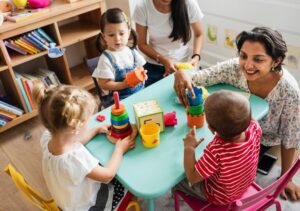
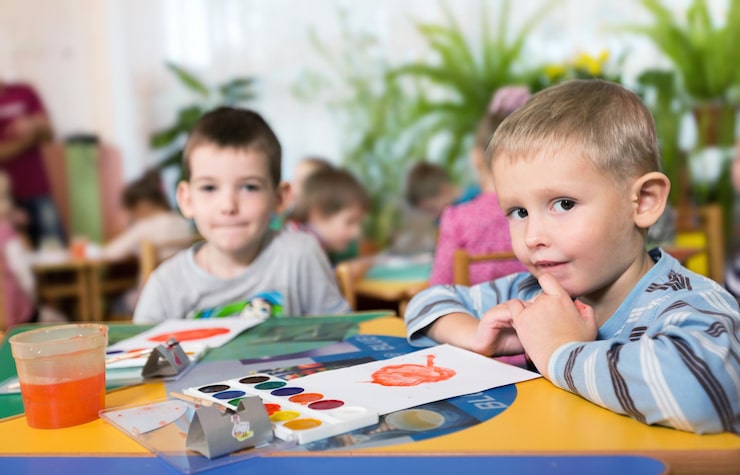
Daycare and preschool share a caring heart, but they have different goals. Daycare focuses on safety, nurturing, and gentle routines for the youngest children. Preschool adds a stronger learning plan, with circle time, early literacy, early math, and group projects. Classrooms often feel busier, and expectations grow. Children may be asked to clean up, follow two-step directions, and wait for a turn. At The Step by Step School, daycare serves ages six weeks to two and a half, and our preschool program welcomes children ages three and four. The change is a natural step, not a sudden leap.
Signs Your Child Is Ready for Preschool
Every child is different, but some signs point to readiness. Look for growing independence, such as putting on shoes or asking to do things alone. Notice whether your child is curious about books, songs, and other children. Can they follow simple directions and tell you what they need? Do they recover from short separations with comfort? You do not need to see every sign. The National Association for the Education of Young Children encourages families to look at the whole child, including social, emotional, language, and physical growth.
Plan the Move Before Birthday Time
Early planning lowers stress. Start a few months ahead by visiting schools and asking about openings, schedules, and policies. You can schedule a tour at our Hudson Street or Monroe Street school to see classrooms in action. Ask about toileting expectations, nap or rest routines, and how teachers welcome new children. Many programs also share what skills they hope to see. A clear plan helps you feel confident, and confident parents raise confident children.
Prepare Your Child for the Big Change
Children cope better when they know what is coming. Talk about preschool in simple, cheerful words, and avoid sounding worried. Say things like “You will have a new classroom, new friends, and lots of fun things to do.” Read picture books about starting school, and act out the day with dolls or stuffed animals. If possible, visit the new classroom together and meet the teacher. A familiar face on the first morning makes everything easier.
Then build small skills at home. Practice washing hands, zipping a jacket, and carrying a backpack. Let your child help with simple jobs like setting the table or putting toys away. Try short routines that match a school day, such as breakfast, shoes, and a goodbye hug. Keep practice playful, because pressure can backfire. Every small success builds pride and confidence.
Toileting, Naps, and Other Practical Changes
Some changes are very practical, so it helps to prepare. Many preschool programs prefer that children show interest in using the toilet, though policies differ. Accidents happen, and teachers expect them. Pack a full change of clothes and label everything. Rest time may also look different, with a shorter nap or quiet time for children who no longer sleep. The American Academy of Pediatrics offers helpful guidance on sleep and toilet learning. Ask each school how it handles both, so there are no surprises.
Easing Emotions: For Your Child and for You
Big changes bring big feelings. Your child may miss old teachers or cling a bit more at drop-off. This is normal, and it usually fades within a few weeks. Keep your goodbye short, warm, and consistent. Always say goodbye, even if tears are likely. Many children settle within minutes of a parent leaving, and teachers are happy to share an update later.
You may feel emotional too. Leaving a place where your child felt safe can be hard. Plan a small treat after drop-off, such as a walk along the Hoboken waterfront or a coffee on Washington Street. Chat with other parents, since many are going through the same thing. Share news from home with the teacher, like a rough night or a new sibling. When families and teachers work as a team, children feel supported everywhere.
Keep Some Familiar Comforts
Not everything has to change at once. Keep bedtime routines, favorite stories, and weekend traditions steady. A small comfort item, if the school allows it, can help. Say goodbye to the old daycare in a positive way, with a card or a photo of favorite teachers. Plan a weekend outing to Church Square Park or Pier A Park to see old friends. Continuity helps children understand that growing up does not mean losing what they love.
Make the Move Easier With Step by Step
If you are already part of our daycare community, you know our warm, respectful approach. Our curriculum uses a multi-theory pathway with multi-sensory strategies, supporting developmental growth, social-emotional skills, and academic success. Children learn at their own pace in a safe, nurturing environment. You can read more about our approach to learning and our daycare program. Families with older siblings can also explore our afterschool program for ages three to thirteen. Our two Hoboken schools welcome you with open arms.
Take the Next Step With Us
Moving from daycare to preschool is a milestone worth celebrating. You do not have to navigate it alone. Our caring team would love to answer your questions and help your family feel ready. Browse our Frequently Asked Questions, then contact us to plan a visit. When you are ready, our registration page makes enrolling simple. Come discover where your child’s next step begins.
Frequently Asked Questions About Preschool
1. When should I move my child from daycare to preschool?
Most children make the move around age three, but readiness matters more than the calendar. Look for independence, curiosity, and comfort with short separations. Ask your child’s current teacher what they see, since they know your child well. Start touring a few months ahead so you have time to plan. A visit to a preschool can help you decide whether the timing feels right.
2. Does my child need to be potty trained before preschool?
It depends on the program. Some schools prefer toilet training, while others support children who are still learning. Teachers know that accidents are part of growing up. Practice simple routines at home, like regular bathroom breaks, and pack extra clothes. Ask each school about its policy, including Step by Step, during your tour.
3. How can I help my child say goodbye to daycare teachers and friends?
Talk about the change in a positive way and name your child’s feelings. Make a card or take a photo with favorite teachers. Plan a goodbye moment, and if possible, a future playdate with close friends. Remind your child that they can still remember and love old friends. These small rituals give children a sense of closure and make the move feel safe.
4. What if my child is nervous about starting preschool?
Nervousness is very normal. Visit the classroom ahead of time, read books about school, and practice the morning routine. Keep your tone calm and cheerful. Offer a short, loving goodbye and trust the teachers to comfort your child. Most children warm up within a few weeks. If worries are intense or last longer, talk with the teacher and your pediatrician.
5. How is the preschool day different from a daycare day?
A preschool day usually has more structure, including circle time, early literacy and math activities, and group projects. Children are expected to do a bit more on their own, such as cleaning up and following directions. Play is still the heart of learning, and rest and outdoor time stay important. Schedules vary by school and age group, so ask for a sample day during your tour.