Preschool is often a child’s first structured learning experience, and many parents wonder what approach works best. One method that continues to gain attention is play-based learning. At first glance, it may seem like children are simply playing, but there is much more happening beneath the surface. A well-designed Preschool program uses play as a powerful tool to support development. Understanding how this approach works can help you decide if it is right for your child.
For families in Hudson & Monroe in Hoboken, many Preschool options now incorporate play-based learning into their curriculum. Knowing what to expect can make your decision easier and more informed.
What Is Play-Based Learning in Preschool?
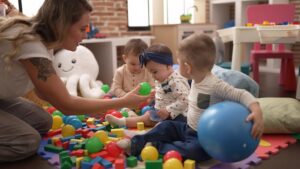
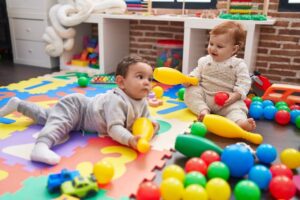
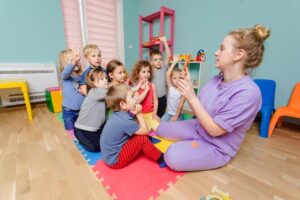
Play-based learning in Preschool is an approach where children learn through guided play rather than traditional instruction. Activities are designed to encourage exploration, creativity, and problem-solving. Instead of memorizing information, children discover concepts through hands-on experiences.
According to the National Association for the Education of Young Children, play is essential for developmentally appropriate practice. A quality Preschool uses play to teach literacy, math, and social skills in a natural way.
This method allows children to stay engaged while building important abilities that support long-term learning.
How Play Supports Brain Development
During the early years, a child’s brain develops rapidly. Preschool programs that use play-based learning take advantage of this critical period. Through play, children form connections that help them understand the world around them.
The Harvard University Center on the Developing Child explains that interactive experiences strengthen brain architecture. A Preschool that encourages active participation helps children build stronger cognitive skills.
Simple activities such as building blocks or imaginative play can improve memory, attention, and reasoning. These skills are essential for future academic success.
Building Social and Emotional Skills Through Play
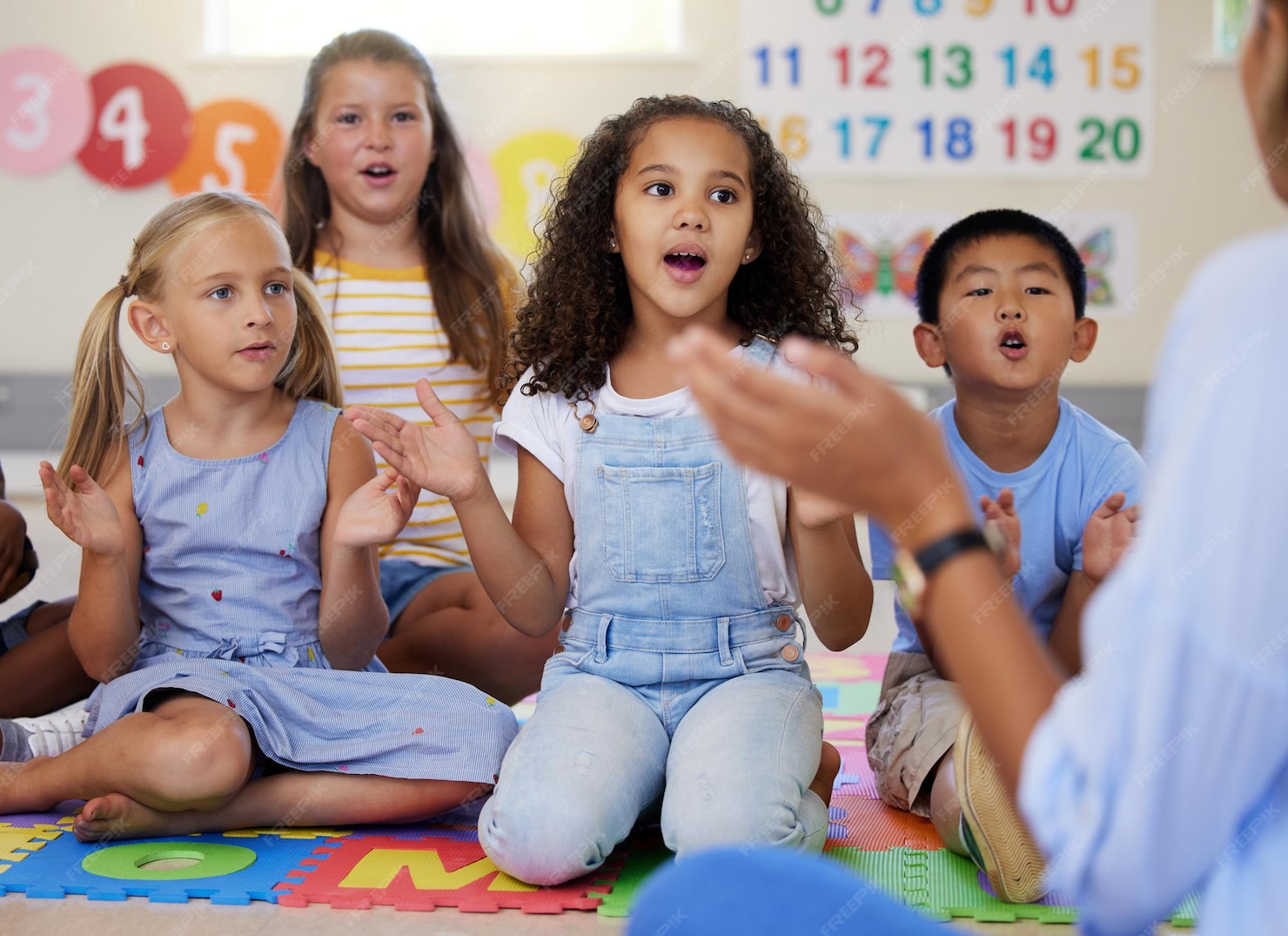
One of the strongest benefits of play-based Preschool learning is the development of social and emotional skills. Children learn how to share, cooperate, and communicate with others. These interactions help them build relationships and understand different perspectives.
In a Preschool setting, guided play allows teachers to support positive behavior and emotional growth. Children learn to manage feelings, resolve conflicts, and express themselves clearly.
For parents in Hudson & Monroe in Hoboken, choosing a Preschool that prioritizes social development can provide long-term benefits. These early experiences shape how children interact with others throughout their lives.
Does Play-Based Learning Support Academic Growth?
A common concern among parents is whether play-based Preschool programs provide enough academic preparation. The answer is yes, when the approach is implemented effectively. Play-based learning introduces foundational concepts in a way that feels natural and engaging.
Children learn numbers through counting games, develop language skills through storytelling, and explore science through hands-on experiments. A structured Preschool environment ensures that these activities align with learning goals.
Research shows that children in play-based Preschool programs often perform as well as, or better than, those in more traditional settings. They also tend to have stronger problem-solving skills and creativity.
The Role of Teachers in Play-Based Preschool
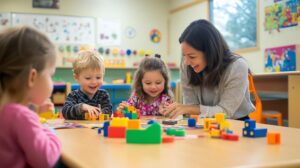
Teachers play a crucial role in making play-based learning effective. In a quality Preschool, educators guide activities, ask questions, and encourage exploration. They observe each child’s interests and adapt lessons accordingly.
This approach requires skill and training. Teachers must balance freedom with structure to ensure that learning objectives are met. A strong Preschool program provides both guidance and flexibility.
When visiting a Preschool in Hudson & Monroe in Hoboken, observe how teachers interact with children during play. Their involvement is a key indicator of program quality.
Creating the Right Environment for Play
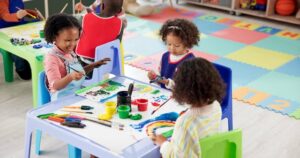
The environment of a Preschool plays an important role in supporting play-based learning. Classrooms should be designed to encourage exploration and creativity. Materials such as blocks, art supplies, and sensory tools provide opportunities for hands-on learning.
Safety and organization are also essential. The Centers for Disease Control and Prevention emphasizes the importance of maintaining clean and safe spaces for young children.
A well-prepared Preschool environment allows children to explore confidently while staying protected. This balance supports both learning and well-being.
Is Play-Based Preschool Right for Every Child?
While play-based learning offers many benefits, it is important to consider your child’s individual needs. Some children thrive in flexible environments, while others may prefer more structure. A good Preschool program often combines play with guided instruction to meet different learning styles.
Parents in Hudson & Monroe in Hoboken should visit multiple Preschool programs and observe how children engage in activities. This helps you determine if the environment feels right for your child.
Choosing the right Preschool is about finding a balance that supports both growth and comfort.
Why Play-Based Preschool Learning Works
Play-based Preschool learning works because it aligns with how young children naturally learn. Instead of forcing information, it allows children to explore, experiment, and discover. This approach builds confidence and encourages curiosity.
Children who enjoy learning are more likely to stay engaged as they grow older. A quality Preschool program uses play to create meaningful and lasting educational experiences.
The skills developed through play, such as creativity, communication, and problem-solving, extend far beyond the classroom.
Final Thoughts
Play-based learning in Preschool is not just effective; it is essential for many aspects of early development. It supports cognitive growth, social skills, and emotional well-being in a balanced way. For families in Hudson & Monroe in Hoboken, choosing a Preschool that incorporates play-based learning can provide a strong foundation for future success.
Take the time to explore different Preschool options and observe how play is integrated into the curriculum. Look for programs that offer both structure and flexibility. The right Preschool will create an environment where your child feels confident, engaged, and eager to learn.
If you are ready to find a Preschool that values meaningful learning through play, connect with our team today. Schedule a visit and discover how our approach can support your child’s early development.
FAQs
1. What is play-based learning in Preschool?
Play-based learning in Preschool is an approach where children learn through guided play. It helps develop cognitive, social, and emotional skills in a natural way.
2. Does play-based Preschool prepare children for school?
Yes, a well-structured Preschool program uses play to teach foundational skills like literacy and math, preparing children for future learning.
3. How do teachers support play-based learning in Preschool?
Teachers guide activities, ask questions, and observe children’s progress. A quality Preschool ensures that play aligns with educational goals.
4. Is play-based Preschool suitable for all children?
Most children benefit from play-based learning, but the right Preschool should also provide structure to support different learning styles.
5. Why is play important in Preschool education?
Play helps children build creativity, problem-solving skills, and social connections. A strong Preschool program uses play to support overall development.