
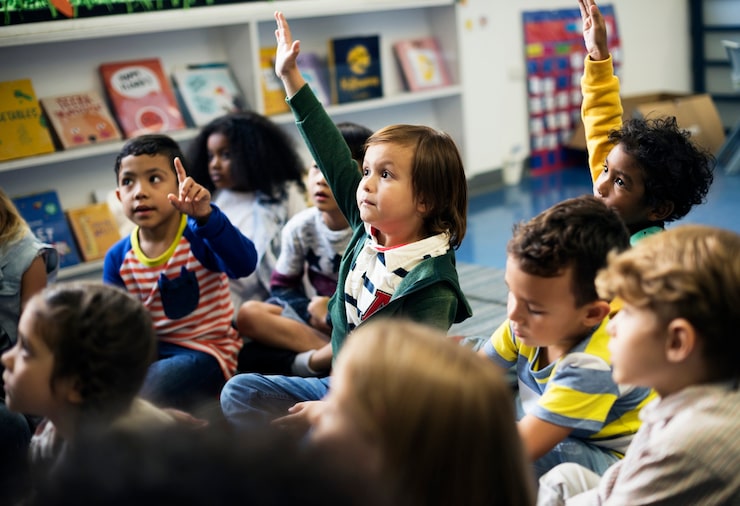
Your baby is learning from the first day. Smiles, cries, and cuddles all teach your child how to connect with others. This is social-emotional growth, and it shapes how children manage feelings and build friendships. A quality daycare can support this growth every day. This guide shows how it works and what you can do to help.
What Social-Emotional Growth Means
Social-emotional growth is how children understand feelings and relate to people. It includes trust, empathy, self-control, and the ability to play with others. These skills start early. The Center on the Developing Child at Harvard University explains that early relationships shape the brain’s architecture. Warm, responsive care in the first years builds a strong base for later learning.
You can see these skills in small moments. A baby locks eyes with a caregiver and smiles. A toddler hands a toy to a friend. A two-year-old takes a deep breath after a tantrum. Each moment is a step forward. Teachers and parents work together to guide these steps.
How Daycare Builds Trust and Secure Attachment
Infants need to feel safe. Secure attachment grows when adults respond to cues with care. A good daycare assigns familiar teachers to each group, so your baby sees the same faces each day. Teachers notice hunger, tiredness, and fussiness. They respond with a gentle voice, a hold, or a song. Over time, your child learns that the world is a safe place.
Routines help too. Predictable meals, naps, and play make babies feel secure. Your child learns what comes next, and that lowers stress. The Step by Step School serves children from 6 weeks to 2.5 years in its daycare program. The school also lets children learn at their own pace, which respects each baby’s needs.
Learning to Play and Share With Peers
Group care gives your child daily practice with other children. Infants watch and mimic each other. They coo, reach, and laugh together. Toddlers move from playing alone to playing side by side. Later, they start to play together. Teachers guide each stage with simple prompts and kind words.
Sharing is hard at this age. That is normal. Toddlers are still learning that others have feelings and wants. Teachers model phrases such as “my turn, your turn” and “Let’s ask for a turn.” They also step in when a conflict starts. Over weeks and months, your child builds patience and empathy. Few settings give such steady practice with peers.
Naming and Managing Big Feelings
Toddlers feel big emotions and lack the words to explain them. Tantrums happen. Teachers in a strong daycare help children name feelings, such as mad, sad, or happy. They offer comfort first, then simple words. A child who hears “You feel angry. I am here” learns that feelings are safe to share.
The Zero to Three organization offers helpful parent guidance on toddler emotions and behavior. You can use the same approach at home. Stay calm and get down to your child’s level. Name the feeling and offer a hug or a quiet space. Keep your words short and your voice soft. Consistency between home and daycare helps your child learn faster.
Daily Daycare Routines That Support Growth
Social-emotional learning happens in everyday moments. It does not need special lessons. Look for these routines in a quality daycare:
- Greeting each child by name at drop-off
- Songs and circle time that build group belonging
- Story time that talks about feelings
- Small group play with guided turn-taking
- Calm, cozy spaces for rest and comfort
- Outdoor time for movement and exploration
The Step by Step School uses a multi-theory curriculum aligned with New Jersey standards. It combines several teaching approaches and multi-sensory activities to match different learning styles. Ask any daycare how its daily plan supports feelings, friendships, and confidence. Clear answers show a thoughtful program.
How Teachers Make the Difference
Teachers shape your child’s emotional world. Warm, trained adults model kindness, patience, and calm. They notice when a child needs extra help. They also celebrate small wins, such as a first wave or a shared toy. These moments build confidence.
Look for teachers who get down on the floor, make eye contact, and speak gently. Ask about training in early childhood education and about staff turnover. Stable relationships matter for babies and toddlers. The National Association for the Education of Young Children shares guidance on what high-quality early learning looks like. Use it as a checklist when you visit a daycare.
Support Your Child’s Growth From Home
You play a big role too. Talk and sing with your baby every day. Read picture books together and point out faces and feelings. Keep a steady routine for sleep and meals. Say goodbye with a warm, short ritual at drop-off. Your calm tone tells your child that daycare is safe.
Share information with teachers. Tell them about new words, fears, and favorite comfort items. Ask what they see during the day. This teamwork helps your child feel understood in both places. A quick chat at pickup or a note in the daily update can make a big difference. Your child benefits when home and school work as one team.
Find Your Fit at Hudson and Monroe Street
Choosing a daycare close to home or work makes daily routines smoother. The Step by Step School has two Hoboken locations. The Hudson Street school is at 410 Hudson Street. The Monroe Street school is at 720 Monroe Street, C-107. Read about the Hudson location and the Monroe location to see which fits your route. A short, calm commute helps your child start each day feeling safe.
See Our Daycare in Action
Strong social-emotional skills start with warm care and steady routines. You can see this in person. Schedule a tour at our Hudson or Monroe Street school in Hoboken. Meet our teachers and watch how children play and learn. You can also contact us with questions or start your registration today. Your child’s future begins with one step.
Frequently Asked Questions About Daycare and Social-Emotional Growth
1. Does daycare help with social skills in infants?
Yes. Even young babies learn by watching and listening to others. In daycare, they see other children, hear voices, and respond to smiles. Teachers talk, sing, and play with them throughout the day. These interactions build early communication and connection. A quality daycare also keeps routines steady, which helps babies feel safe enough to explore.
2. At what age do toddlers start playing with other children?
Most toddlers play alongside peers first, often around age two. This is called parallel play. Cooperative play, where children share ideas and toys, grows later, usually closer to age three. Each child moves at a different pace. A good daycare supports every stage and does not rush children before they are ready.
3. How can I tell if my child is bonding with daycare teachers?
Look for small signs. Your child may smile when a teacher greets them, reach for a favorite caregiver, or settle faster at drop-off. Teachers may also share stories about how your child plays and reacts. Bonding takes time, often a few weeks. If you have concerns, talk with the daycare team early. They can share what they see and suggest ways to help.
4. What if my toddler bites or hits at daycare?
This is common at young ages. Toddlers act on big feelings before they have words. Teachers respond calmly, comfort the child who was hurt, and guide the other child toward better choices. Ask how your daycare handles these moments. Look for kind, consistent responses, not harsh punishment. You can also reinforce simple phrases at home, such as “gentle hands.”
5. How can I support my child’s emotional growth outside daycare?
Keep your routines steady and respond with warmth. Name feelings during the day, such as “You look sad.” Read books that show emotions, and play simple games that practice turn-taking. Give your child time to calm down without rushing. Share what works with your daycare teachers. When home and school use the same approach, your child learns faster and feels more secure.