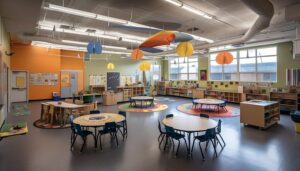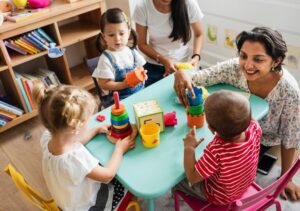
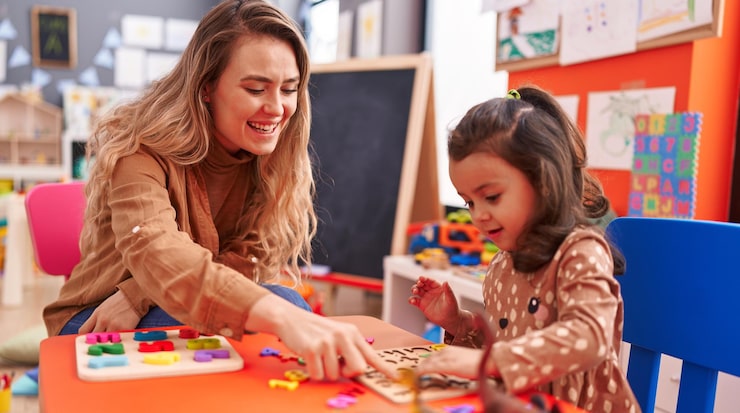
Parents often ask the same thing before their first tour. What does my child actually do all day? It is a fair question, and a good one. A strong preschool day blends play, learning, rest, and plenty of care, and every part has a purpose. Here is a friendly look at how a typical day can unfold at The Step by Step School in Hoboken, plus tips to help your child feel ready.
Why a Predictable Preschool Routine Matters
Young children thrive on routine. When they know what comes next, they feel safe, and safe children are ready to learn. A steady rhythm also helps with behavior, because fewer surprises mean fewer meltdowns. The National Association for the Education of Young Children highlights consistent routines as a core part of quality early learning. At our preschool, each day follows a clear pattern while teachers stay flexible enough to follow a child’s interests. Exact times vary by classroom and age group, so use the schedule below as a general guide.
A Typical Day in Preschool, Step by Step
Morning Arrival and Free Play
The day begins with a warm welcome at the door. Teachers greet each child by name, and families share any quick notes. Children hang up backpacks, wash hands, and choose a calm activity like puzzles, blocks, or picture books. This gentle start gives little ones time to settle in. It also lets them practice independence, which is a big goal of preschool. If drop-off tears happen, teachers step in with comfort and a friendly distraction.
Circle Time and Morning Lessons
Next comes circle time. Children sit together to sing, count, share news, and explore the weather or a story. This is where early literacy and math skills begin to grow. Our curriculum uses a multi-theory approach with multi-sensory strategies, so children might touch, move, listen, and look as they learn. Lessons are aligned with New Jersey standards and paced to each child. The goal is understanding and joy, not memorization.
Snack, Outdoor Play, and Movement
A healthy snack fuels the late morning. Children practice manners, pouring, and chatting with friends. After that, it is time to move. Active play builds strong muscles, balance, and teamwork, and the CDC notes that physical activity supports healthy growth in young children. Outdoor time is a highlight of any good preschool day. Families can echo it at home with a weekend trip to Church Square Park or Pier A Park.
Lunch, Rest, and Quiet Time
Lunch is a time to relax and connect. Children eat, clean up, and wash hands, which reinforces self-help skills. Afterward, a rest period lets growing bodies recharge. Some children nap, while others look at books quietly. The American Academy of Pediatrics offers helpful guidance on sleep for young children, and consistent naps at home make this part of preschool easier. Ask any school how it supports children who no longer nap.
Afternoon Centers, Art, and Social Learning
Afternoons often bring learning centers. Children might paint, build, pretend in a dramatic play corner, or explore sensory bins. Teachers move around the room, asking open questions and nudging children to solve problems together. This is where social-emotional skills shine, from taking turns to using words to share feelings. Every project is about the process, so a messy masterpiece is a success. These hands-on moments are the heart of a quality preschool program.
Wrap-Up and Pickup
The day ends with cleanup, a story, and a calm goodbye song. Teachers share highlights with families, such as a new word, a friendship, or a proud moment. Parents at our Hudson Street and Monroe Street locations can ask about the day at pickup. Families can also explore our afterschool program, which serves ages three to thirteen. A walk along the Hoboken waterfront is a lovely way to reconnect after a full preschool day.
How Parents Can Support a Great Preschool Day
A little prep at home goes a long way. Keep bedtime steady, pack a change of clothes, and label every item. Practice simple routines like washing hands and putting on a jacket. Talk about the day in cheerful, simple words, and read books about school together. The Centers for Disease Control and Prevention offers free milestone checklists that show which skills to nurture at each age. Small habits make preschool mornings smoother for the whole family.
Stay in touch with your child’s teacher. Share news about changes at home, like a new sibling or a bad night’s sleep. Ask what your child enjoyed and what felt hard. Celebrate small wins at dinner. When families and teachers work as a team, children feel supported in both places.
Choosing a Preschool in Hoboken
Every family wants to see the day in action. A tour is the best way to watch a preschool classroom at work. Notice how teachers speak to children, how the room feels, and whether children look happy and engaged. Check that the program follows New Jersey Department of Education early learning standards. You can schedule a tour at our Hudson Street or Monroe Street school and see our approach firsthand. Our preschool program welcomes children ages three to four.
Come See a Day at Step by Step
Reading about a day is helpful, but seeing it is better. Our caring team would love to show you around and answer every question. Browse our Frequently Asked Questions, then contact us to plan a visit. When you feel ready, our registration page makes enrolling simple. Come discover where your child’s next step begins.
Frequently Asked Questions About Preschool
1. How long is a typical preschool day?
Length varies by school, program, and family needs. Some preschool programs offer shorter days, while others offer full days with options for extended care. Younger children often do best with a shorter schedule at first. Ask each school about its hours, drop-off window, and pickup times. At Step by Step, the team can walk you through the schedule that fits your child and your work routine.
2. What do children learn in preschool each day?
Children build skills across many areas at once. They practice early language through songs and stories, early math through counting and sorting, and fine motor skills through art and building. They also learn to share, take turns, and name their feelings. Much of this happens through play, which is how young children learn best. A good preschool balances structure with plenty of choice.
3. Do children still nap in preschool?
Many do, especially at age three. Most schools build in a rest period, and children who do not sleep can rest quietly with a book. Napping needs change quickly between ages three and five. Keep your home routine steady and tell the teacher what your child needs. If your child is tired after school, an earlier bedtime can help.
4. What should my child bring to preschool?
Most programs ask for a labeled backpack, a spare set of clothes, and a water bottle. Some also allow a small comfort item to help with separation. Pack weather-appropriate clothing for outdoor play, and choose shoes that are easy for small hands to manage. Always check your school’s supply list, because requirements differ. Labeling everything saves time and lost items.
5. How will I know how my child is doing in preschool?
Good communication is a sign of a quality program. Expect daily updates, regular check-ins, and chances to talk with teachers about progress. Ask how the school shares news, whether through notes, conversations, or parent meetings. Share your own observations too, because you know your child best. If you ever feel concerned about development, speak with your child’s teacher and pediatrician early.