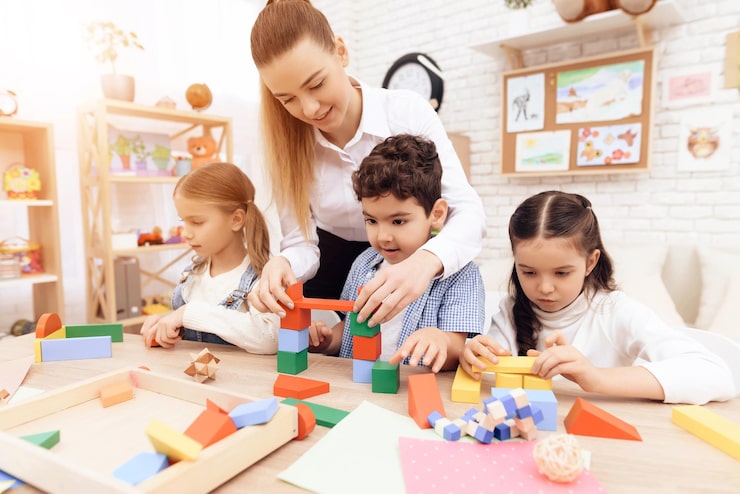
You are your child’s first teacher. That is good news. You do not need a degree, fancy toys, or hours of free time. Small moments add up fast. A short chat, a silly song, or a walk to the park can all build skills. This guide shares simple ideas you can start today.
How Home Learning Supports Preschool Success
Children learn all day long, not just in the classroom. Home is where they feel safest, so it is a great place to practice new skills. When you echo what happens at school, your child gains confidence. The National Association for the Education of Young Children offers family resources that show how everyday routines and play build early learning. A strong preschool program and a supportive home work as a team. You do not need to copy the classroom. You only need to stay curious, patient, and consistent.
Talk, Talk, Talk
Language is the base for reading and writing. The more words your child hears, the more words your child learns. Narrate your day in simple terms. Say, “I am chopping the carrots. They are orange and crunchy.” Ask open questions like “What was your favorite part of the day?” Then wait. Give your child time to think and answer.
Use new words often. Instead of “big,” try “enormous” or “gigantic.” Repeat them in different settings. Sing songs and rhymes in the car or at bath time. If you speak more than one language, use both. Bilingual homes give children a real learning boost.
Read Together Every Day
Reading is the best habit you can build. Aim for at least 15 minutes a day. Pick a cozy spot and let your child choose the book. Point to pictures and ask, “What do you see?” Let your child turn the pages. Re-reading favorite stories is not boring. It builds memory and confidence.
Visit the library often. Libraries offer free books, story hours, and friendly staff who can suggest titles. Hoboken families can use the local public library for story time and family programs. Make reading part of your routine, such as before nap or bed. The American Academy of Pediatrics encourages parents to read aloud from an early age.
Turn Everyday Moments Into Math
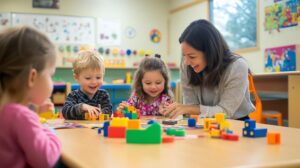
Math is all around you. Count steps as you climb the stairs. Count apples at the store. Sort laundry by color, and match socks by pattern. Ask, “Which cup holds more?” or “Who has fewer crackers?” Play simple board games with dice. Bake together and let your child scoop and pour.
Look for shapes on walks. A stop sign is an octagon. A door is a rectangle. Talk about time with words like “before,” “after,” and “later.” Keep it playful, not stressful. Your preschool teacher likely uses these same ideas in class, so your child will feel right at home.
Build Fine Motor Skills With Play
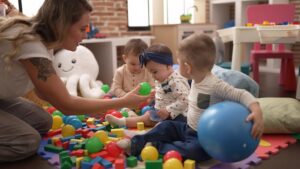
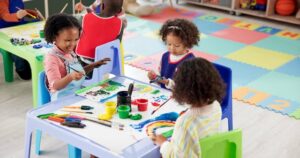
Small hand muscles need daily exercise. Strong hands help children hold pencils and use scissors later. Offer playdough, clay, and Lego-style bricks. Let your child tear paper, string beads, or use tongs to move pom-poms. Set up a tray with crayons, markers, and stickers. Skip the worksheets. Free drawing builds more skill and more joy.
Big movement matters too. Running, climbing, and jumping build balance and strength. Families near Hudson Street can head to nearby parks or the Hoboken waterfront for fresh air. Those near Monroe Street can also find local playgrounds close by. Aim for active play every day, even in cool weather.
Create a Simple Daily Routine
Children feel safe when they know what comes next. A steady routine also makes mornings smoother. Keep wake-up, meals, play, and bedtime at similar times. Use a picture chart if it helps. Give your child small jobs, such as feeding a pet or setting out napkins. Jobs build responsibility and pride.
Sleep matters most of all. Most preschoolers need about 10 to 13 hours in a 24-hour period, naps included. A calm bedtime routine can include a bath, a book, and a song. Tired children struggle to learn and manage feelings. Protect sleep as you would any other learning tool.
Support Feelings and Friendships
Social skills are just as important as letters and numbers. Name feelings out loud. Say, “You seem frustrated. Let’s take a breath together.” Praise kindness and effort. Say, “You shared your truck. That was thoughtful.” Set up short playdates so your child can practice taking turns.
Stay calm during meltdowns. Your calm helps your child calm down. Talk about solutions after the storm passes. Read books about feelings and friendship. These skills help children thrive in any preschool classroom.
Keep It Fun and Pressure-Free
Learning should feel like play. Avoid drills and flashcards. Follow your child’s interests. If your child loves trucks, count trucks, draw trucks, and read about trucks. Limit screens and choose shows with a clear learning goal. Watch together when you can and talk about what you saw.
Short bursts work best. Five to ten minutes of focused fun beats an hour of forced practice. Celebrate effort, not perfection. Say, “You kept trying. I am proud of you.” Children who feel supported want to learn more. Check the CDC developmental milestones if you want a guide to what is typical at each age.
Stay Connected With Your Child’s Preschool
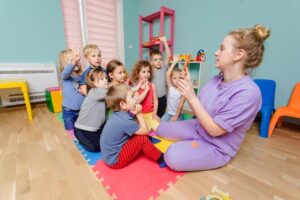
Teachers see your child every day. Ask what skills the class is working on. Then practice them at home in simple ways. Share news about your child’s interests, fears, or wins. Ask how you can support the weekly theme. The New Jersey Department of Education shares early learning resources for families who want to understand state goals. If you have any worries, speak up early. Good teachers welcome your input.
Take the Next Step
Learning works best when home and school move together. At The Step by Step School, we offer a warm, nurturing preschool program in Hoboken for children ages 3 to 4. Our teachers guide each child with patience, one step at a time. Visit our Hudson Street or Monroe Street location and meet the team. Schedule a tour today and see where your child’s future begins.
Frequently Asked Questions About Preschool Learning at Home
1. How much time should I spend teaching my preschooler at home?
You do not need long sessions. Short, playful moments work best. Aim for 10 to 20 minutes of focused activity, plus daily reading. Everyday routines like cooking, walking, and cleaning also teach skills. Quality and consistency matter more than time. Your preschool teacher can suggest simple activities that match what your child is learning.
2. Do I need to buy educational toys or workbooks?
No. Simple items work well. Blocks, crayons, playdough, books, and household objects offer plenty of learning. Open-ended toys let children use imagination and solve problems. Workbooks can feel like pressure at this age. Choose play first, and let your child lead.
3. What if my child does not want to practice learning at home?
Do not force it. Try a new activity or turn it into a game. Follow your child’s interests and keep sessions short. Take a break and try again later. Share your concerns with your preschool teacher, who may have fresh ideas that work in class.
4. How can I help my child learn letters and numbers at home?
Make it part of daily life. Point out letters on signs, cereal boxes, and books. Count toys, steps, and snacks. Write your child’s name with chalk or finger paint. Sing the alphabet song and read alphabet books. Keep it fun and let your child set the pace.
5. How do I find a preschool in Hoboken that partners with parents?
Visit in person and ask how teachers share updates with families. Look for daily notes, parent meetings, or an app. Ask how the school suggests ways to support learning at home. Watch how teachers talk with parents at pickup. Families near Hudson Street and Monroe Street can tour our two locations and see how each preschool classroom welcomes family involvement.
Note: the internal links currently point to your homepage, so swap in your real tour or contact page URLs. Please also confirm the external links still work before publishing.