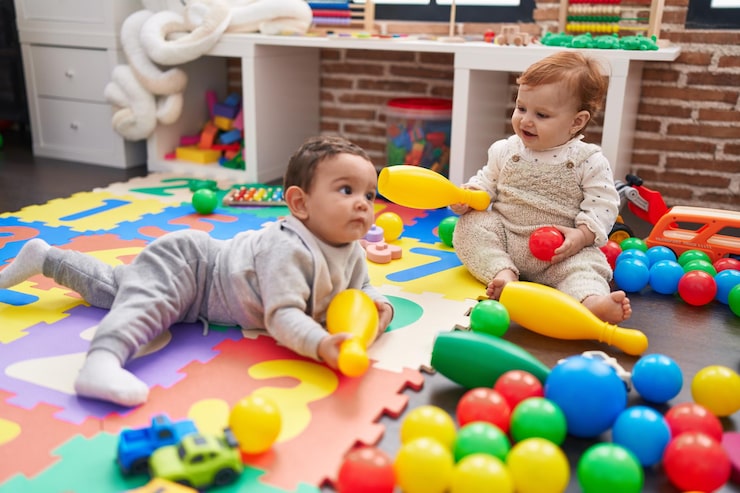
Starting preschool is a big step. You may wonder if your child is ready. There is no perfect age and no single test. Readiness shows up in small daily habits. This guide gives you seven clear signs and simple ways to help your child grow into each one.
Seven Signs Your Child Is Ready for Preschool
Most children start preschool between ages 3 and 4. Every child grows at a different pace. Treat these signs as a guide, not a test to pass. If your child shows most of them, you are likely on track. The CDC developmental milestone checklists can give you a helpful benchmark for each age.
1. Your Child Shows Interest in Other Children
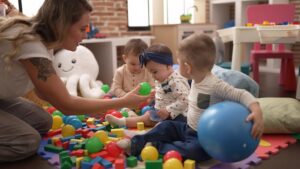
Your child watches other kids and wants to join in. At the park, they may smile, wave, or play beside a peer. Side by side play counts. True sharing and teamwork come later, and a good preschool teaches those skills. You do not need a social butterfly. You need a child who is curious about friends.
2. Your Child Handles Short Separations
Your child can stay with a trusted adult, like a grandparent or sitter, for a few hours. Tears at goodbye are normal. What matters is recovery. Does your child calm down and enjoy the day? If so, the move to preschool will likely go well. Practice short trips apart, and always say goodbye instead of sneaking out.
3. Your Child Can Share Needs and Wants
Your child can tell you when they are hungry, tired, or upset. They use words, gestures, or short phrases that adults can understand. Perfect speech is not required. Teachers hear many accents, styles, and speech patterns every day. If your child can ask for help, preschool teachers can build from there. Read together daily to boost language skills.
4. Your Child Follows Simple Directions
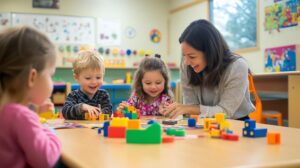
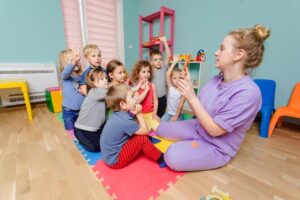
Try a two-step request like “Pick up your shoes and put them by the door.” If your child usually follows it, that is a strong sign. Preschool runs on routines such as clean-up time, line-up time, and circle time. Children who follow basic directions adjust faster. Make it a game at home. Turn tasks into songs or races.
5. Your Child Shows Growing Independence
Your child tries to wash hands, put on a coat, or feed themselves. They may still need help, and that is fine. Many programs expect some bathroom skills, but rules differ by school. Ask each school about its policy. At home, let your child try tasks first. Offer help only when needed.
6. Your Child Can Focus for a Few Minutes
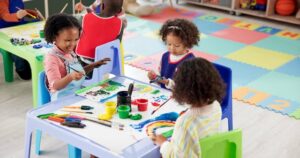
Your child can enjoy a puzzle, picture book, or craft for about five to ten minutes. Short attention spans are normal at this age. You are looking for a spark of interest, not long concentration. Preschool lessons stay short and hands-on for this reason. Build focus at home with quiet play and daily story time.
7. Your Child Is Curious and Learning to Manage Feelings
Your child asks “why,” explores new toys, and tries new things. They also have big feelings, which is normal. Look for small signs of self-control, like calming down with a hug or a favorite song. The National Association for the Education of Young Children notes that young children learn best through play and warm relationships. A caring preschool classroom supports both.
What If Your Child Is Not Ready Yet?
Do not worry if you see only a few signs. Readiness grows with time and practice. A child who turns 3 in the fall may need a different start than a child who turns 4. You can wait a few months, try a shorter schedule, or begin with gentle practice at home. Trust your instincts and talk with teachers. A good preschool will meet your child where they are.
How to Prepare Your Child for Preschool
A little prep makes the first day easier. Try these steps:
- Visit the classroom and meet the teachers before the first day.
- Start the school sleep and wake routine two weeks early.
- Read picture books about starting school.
- Practice handwashing, coat zipping, and packing a backpack.
- Keep goodbyes short, calm, and cheerful.
Stay positive, because your child reads your mood. Talk about school in simple words. Say what will happen and who will be there. Within a few weeks, most children settle in and start to enjoy the routine.
Finding the Right Preschool in Hoboken
Local families have good options, so visit before you decide. Watch how teachers speak to children. Look for clean rooms, happy faces, and a daily mix of play and learning. Ask how the school tracks progress and shares updates with parents. You can also explore early learning resources from the New Jersey Department of Education. If you live or work near Hudson Street or Monroe Street in Hoboken, a short visit can show you what a typical day feels like.
Take the Next Step
Now you know the signs. Seeing a classroom in action is the best way to know for sure. At The Step by Step School, we offer a safe, warm preschool program in Hoboken for children ages 3 to 4. Our two locations on Hudson Street and Monroe Street make it easy to find a fit for your commute. Schedule a tour today and see where your child’s future begins.
Frequently Asked Questions About Preschool
1. What is the best age to start preschool?
Most children start preschool between ages 3 and 4. Age is only part of the picture. Look at your child’s social skills, communication, and comfort with routines. Some children are ready at 3, while others do better with a few extra months. A tour and a talk with teachers can help you decide.
2. Does my child need to be potty trained for preschool?
It depends on the school. Many preschool programs prefer children to be on the way to using the toilet, but policies vary. Ask each school about its rules and how teachers support accidents. Accidents are common at this age, so pack spare clothes. Practice at home with a steady routine and plenty of praise.
3. What if my child cries at drop-off?
Crying is common and usually short. Keep your goodbye brief, warm, and consistent. Teachers are trained to comfort children and redirect them to an activity. Most children calm down within minutes after a parent leaves. Ask your preschool teacher for an update if you feel worried.
4. How can I tell if my child is ready for preschool or needs more time?
Review the seven signs in this post. If your child shows interest in peers, handles short separations, and follows simple directions, preschool is likely a good fit. If you notice many gaps, give your child more time and practice. Talk with your pediatrician if you have concerns about speech, behavior, or development. Early support can make a real difference.
5. How do I choose a preschool in Hoboken?
Start with a tour. Watch how teachers talk to children and check that rooms are safe, clean, and bright. Ask about teacher training, class size, daily schedules, and how the school shares progress. Think about your commute too, since the school should be easy to reach each day. Families near Hudson Street and Monroe Street can visit our two locations and compare what each preschool day looks like.
Note: the internal links currently point to your homepage, so swap in your real tour or contact page URLs. Please also confirm the external links still work before publishing.