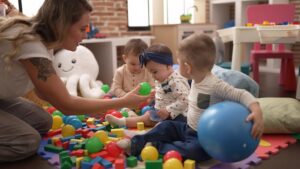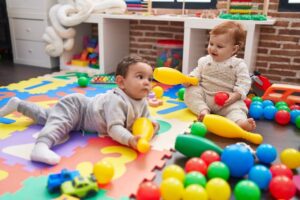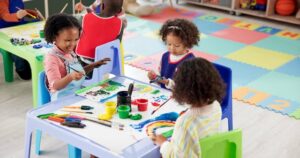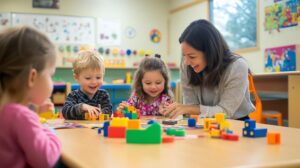
Preschool is more than a place where children spend a few hours each day. It is the foundation of how they think, learn, and interact with the world. Many parents see Preschool as preparation for kindergarten, but its impact goes far beyond that stage. The early years are critical for brain development, emotional growth, and social learning. Choosing the right Preschool can influence your child’s future in ways that are not always immediately visible.
For families in areas like Hudson & Monroe in Hoboken, access to quality Preschool programs provides a valuable opportunity to support early development. Understanding why Preschool matters can help you make more confident and informed decisions.
How Preschool Builds a Strong Foundation for Lifelong Learning
Preschool introduces children to structured learning in a way that feels natural and engaging. Through guided play and interactive activities, children begin to understand basic concepts such as numbers, language, and problem-solving. A well-designed Preschool program encourages curiosity and builds a love for learning.
According to the Harvard University Center on the Developing Child, early experiences directly shape brain architecture. This means that what children learn in Preschool can have long-term effects on their ability to succeed academically and socially. A supportive Preschool environment helps children develop confidence in their abilities.
When children enjoy learning at an early age, they are more likely to carry that enthusiasm into later stages of education.
The Role of Preschool in Social and Emotional Development
One of the most important benefits of Preschool is the development of social and emotional skills. Children learn how to share, cooperate, and communicate with others. These skills are essential not only in school but throughout life.
In a Preschool setting, children interact with peers and teachers in a structured environment. This helps them understand emotions, resolve conflicts, and build relationships. A quality Preschool provides guidance that helps children express themselves in healthy ways.
For parents in Hudson & Monroe in Hoboken, choosing a Preschool that emphasizes emotional growth can make a lasting difference. These early interactions build the foundation for strong interpersonal skills.
Why Early Independence Matters
Preschool encourages children to become more independent. Simple tasks such as putting away toys, following instructions, and making small decisions help build confidence. These experiences teach children that they are capable and responsible.
A good Preschool balances guidance with independence. Teachers provide support while allowing children to explore and learn on their own. This approach helps children develop problem-solving skills and resilience.
Independence gained in Preschool often leads to smoother transitions into kindergarten and beyond. Children who feel confident are more likely to adapt to new environments.
Academic Readiness Starts in Preschool
While Preschool is not about intense academics, it plays a key role in preparing children for future learning. Children are introduced to early literacy, basic math concepts, and critical thinking skills. These lessons are taught in a way that feels fun and engaging.
The National Association for the Education of Young Children emphasizes the importance of developmentally appropriate learning. A quality Preschool follows these guidelines to ensure children are not overwhelmed.
Parents in Hudson & Monroe in Hoboken often look for Preschool programs that balance academics with play. This balance helps children build essential skills without losing their natural curiosity.
Exposure to Structured Routines
Preschool helps children adapt to routines, which is an important life skill. Daily schedules teach children how to manage time and expectations. Activities such as circle time, snack breaks, and group play create a sense of structure.
A consistent routine in Preschool helps children feel secure. They know what to expect, which reduces anxiety and builds confidence. Over time, children become more comfortable with transitions and new activities.
This structured environment prepares children for the expectations of formal schooling. It also helps families establish consistent routines at home.
The Impact of Quality Preschool Environments
Not all Preschool programs offer the same level of quality. A well-designed Preschool environment includes trained teachers, safe facilities, and engaging learning materials. These factors contribute to a positive experience for children.
The Centers for Disease Control and Prevention highlights the importance of safe and clean environments for young children. A reliable Preschool prioritizes both safety and learning.
For families in Hudson & Monroe in Hoboken, visiting and evaluating different Preschool options can help identify the best fit. The right environment supports both growth and well-being.
Preschool choices influence future success
The impact of Preschool extends far beyond the early years. Studies show that children who attend high-quality Preschool programs often perform better academically. They are also more likely to develop strong social skills and emotional resilience.
These benefits can continue into adulthood. A strong Preschool foundation supports better communication, problem-solving, and adaptability. Choosing the right Preschool is an investment in your child’s future.
Parents who take the time to research and evaluate options are more likely to find a program that meets their child’s needs.
Final Thoughts
Preschool plays a vital role in shaping your child’s future. It supports cognitive development, emotional growth, and social skills that last a lifetime. For families in Hudson & Monroe in Hoboken, access to quality Preschool programs provides a valuable opportunity to give children a strong start.
Take the time to explore different Preschool options, ask questions, and observe classrooms. Look for a program that balances learning, play, and emotional support. The right Preschool will create an environment where your child feels safe, confident, and eager to learn.
If you are ready to find a Preschool that prioritizes your child’s development, connect with our team today. Schedule a visit and discover how our Preschool program can support your child’s journey toward lifelong success.
FAQs
1. Why is Preschool important for early development?
Preschool helps children develop essential skills such as communication, problem-solving, and social interaction. A quality Preschool supports both academic and emotional growth.
2. At what age should my child start Preschool?
Most children start Preschool between ages 2.5 and 4. The right time depends on your child’s readiness and the type of Preschool program available.
3. How does Preschool prepare children for kindergarten?
Preschool introduces routines, basic academic concepts, and social skills. These experiences help children transition smoothly into kindergarten.
4. What should I look for in a Preschool program?
Look for qualified teachers, a balanced curriculum, safe facilities, and strong communication. A good Preschool creates a nurturing and engaging environment.
5. Does Preschool really impact long-term success?
Yes, research shows that Preschool education has lasting effects on academic performance and social development. A strong Preschool foundation supports future learning and growth.