The Benefits of Early Socialization: Why Daycare Helps Children Thrive
Early childhood is a time of rapid growth. During these years, children begin learning how to communicate, cooperate, and understand the world around them. One of the most powerful ways children develop these skills is through early social interaction. A supportive Daycare environment gives children the opportunity to build relationships, practice communication, and gain confidence outside the home.
Many parents initially worry about whether their child is ready for Daycare, yet the right program can provide valuable experiences that support healthy development. Through daily activities, guided play, and group interaction, children begin forming social skills that shape their future learning and emotional well-being. Families in Hudson and Monroe in Hoboken often seek a Daycare that combines nurturing care with meaningful early learning opportunities. Understanding the benefits of early socialization can help parents see why these experiences matter.
Why Early Socialization Matters in Daycare
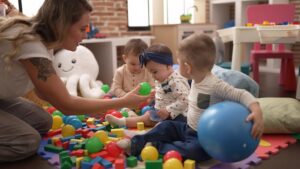
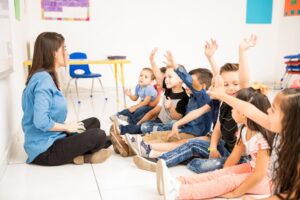
Children naturally learn by watching and interacting with others. In a quality Daycare setting, children are surrounded by peers and caring educators who guide these early social experiences. These interactions help children learn how to share, listen, and respond to others.
Research from the American Academy of Pediatrics highlights that early social experiences contribute to emotional health and communication development. When children attend Daycare, they practice expressing feelings and understanding different perspectives. Over time, these interactions build empathy and confidence.
A well-structured Daycare environment encourages cooperation and teamwork through daily activities. Children begin to see themselves as part of a group, which helps strengthen their sense of belonging.
Building Communication Skills
Communication skills develop quickly during the early years. A high-quality Daycare program gives children many opportunities to practice language every day. Through conversations with teachers and peers, children expand their vocabulary and learn how to express their needs.
Activities like storytelling, singing, and group discussions encourage children to listen and respond. These simple interactions play an important role in language development. According to the National Association for the Education of Young Children, social learning environments strongly support early communication skills.
Children who attend Daycare often become more comfortable speaking in groups and asking questions. This confidence helps them transition smoothly into preschool and later academic settings.
Developing Emotional Confidence
Early socialization also supports emotional development. In a nurturing Daycare environment, children learn to identify and manage their emotions. Teachers guide children through everyday challenges such as sharing toys or waiting their turn.
These small moments help children understand patience and empathy. Over time, children become better at solving problems and cooperating with others. A supportive Daycare encourages positive behavior through gentle guidance rather than strict discipline.
Children who build emotional confidence early often feel more secure exploring new activities and relationships.
Learning Cooperation and Teamwork
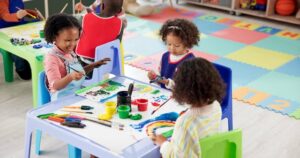
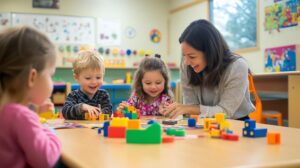
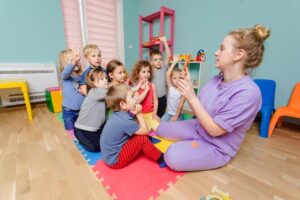
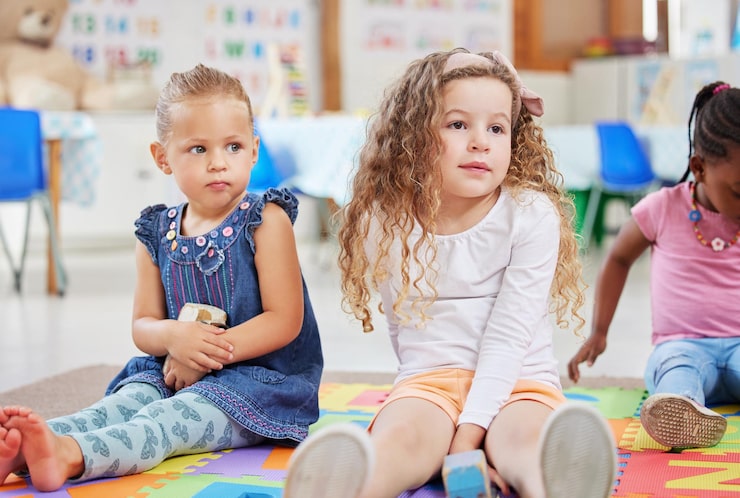
Group play is one of the most valuable aspects of Daycare. When children work together on activities such as building blocks or completing art projects, they learn cooperation. These experiences teach children how to communicate ideas and respect others’ perspectives.
Teachers play an important role in guiding group activities. In a well-designed Daycare program, educators encourage teamwork while ensuring every child feels included. This balanced approach helps children develop both independence and collaboration skills.
Families in Hudson and Monroe in Hoboken often appreciate Daycare programs that emphasize social interaction through structured play and group learning.
Encouraging Curiosity and Exploration
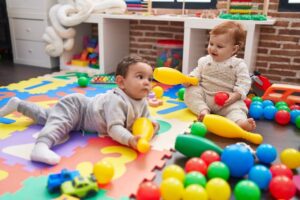
Curiosity is a powerful driver of learning. A stimulating Daycare environment provides children with opportunities to explore new activities and ideas. Through play-based learning, children experiment, ask questions, and discover new interests.
Hands-on experiences such as art projects, music, and sensory play encourage creativity. These activities also strengthen problem-solving abilities and critical thinking skills. In many Daycare classrooms, exploration is guided by teachers who help children make connections between experiences and learning.
This combination of play and guidance allows children to grow academically while still enjoying the natural curiosity of childhood.
Building Independence
Another benefit of attending Daycare is the development of independence. As children participate in daily routines, they learn to manage small responsibilities. Simple tasks such as putting away toys or washing hands help build confidence and self-reliance.
Children begin to understand that they can complete tasks on their own while still receiving support from teachers. This balance encourages independence without overwhelming young learners. A structured Daycare environment supports these milestones in a gentle and encouraging way.
For families near Hudson and Monroe in Hoboken, local Daycare programs often focus on helping children develop these life skills alongside academic readiness.
Strengthening School Readiness
Early socialization prepares children for future learning environments. A quality Daycare program introduces children to routines, group activities, and structured learning. These experiences help children feel comfortable when they later enter preschool or kindergarten.
Children who attend Daycare often adapt more quickly to classroom expectations. They are familiar with listening to teachers, participating in group discussions, and following schedules. This familiarity reduces stress during future educational transitions.
Over time, these early experiences help children approach school with curiosity and confidence.
Final Thoughts
Early social experiences shape many aspects of a child’s development. A supportive Daycare environment offers opportunities for communication, emotional growth, and cooperative learning. Through daily interaction with peers and teachers, children build skills that help them succeed both academically and socially.
For families in Hudson or Monroe in Hoboken, choosing the right Daycare can make a meaningful difference in a child’s early years. If you would like to see how our classrooms encourage social learning and curiosity, we invite you to explore our programs and meet our educators. Contact us today to schedule a visit and discover how our Daycare community helps children thrive.
Frequently Asked Questions
1. Why is socialization important in Daycare?
Socialization in Daycare helps children learn communication, cooperation, and empathy. Through daily interaction with peers and teachers, children develop important emotional and social skills that support long-term learning.
2. Does Daycare help children become more confident?
Yes, a nurturing Daycare environment encourages children to try new activities and interact with others. These experiences help children build confidence and independence in a safe setting.
3. How does Daycare support language development?
In Daycare, children engage in conversations, storytelling, and group activities that strengthen language skills. These daily interactions help expand vocabulary and improve communication abilities.
4. Can Daycare improve a child’s ability to work with others?
A quality Daycare program includes group play and collaborative activities. These experiences teach children how to share, cooperate, and solve problems with others.
5. What should parents look for in a social-focused Daycare?
Parents should choose a Daycare that encourages group activities, guided play, and supportive teacher interaction. A strong social environment helps children build friendships and emotional skills.