Choosing Preschool is one of the first big milestones in your child’s life. For many parents, it brings excitement mixed with questions and natural concerns. Will my child feel safe? Will they learn enough? Will they adjust emotionally? These questions are normal, and understanding what Preschool truly offers can make this transition smoother for both you and your child.
Preschool is more than preparation for kindergarten. It is where children begin learning how to learn, how to interact, and how to feel confident away from home. In communities like Hudson and Monroe in Hoboken, parents often look for a Preschool environment that balances structure with warmth, and education with care. This guide walks you through what to expect, step by step.
What Is Preschool and Why It Matters
Preschool is an early learning program designed for children typically between the ages of three and four. It focuses on social, emotional, cognitive, and physical development in a gentle and age-appropriate way. Rather than formal academics, Preschool introduces concepts through play, routines, and guided exploration.
At this stage, children learn how to follow simple instructions, share space with peers, and express emotions in healthy ways. Preschool helps children build independence while still feeling supported. These early experiences form the foundation for future academic success and emotional resilience.
Research from organizations like the National Association for the Education of Young Children highlights that high-quality Preschool programs improve long-term learning outcomes and social skills.
A Typical Day in Preschool
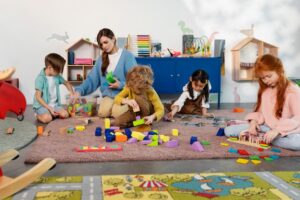
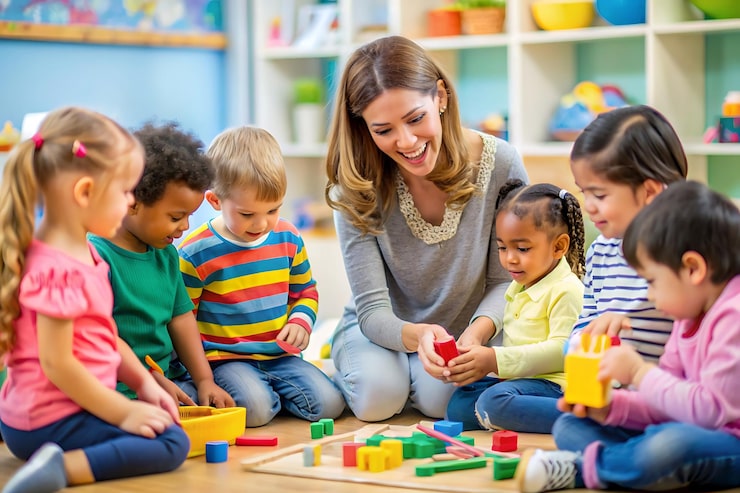
A Preschool day is designed to feel predictable, calm, and engaging. Most programs follow a structured routine that helps children feel secure. The day often begins with a warm welcome, free play, and group circle time where children sing songs, listen to stories, and talk about their day.
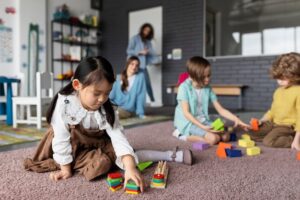
Learning activities are woven into play. Children might explore letters through art, numbers through blocks, or science through simple experiments. Snack time and outdoor play are also essential parts of the Preschool day, supporting both physical health and social interaction.
Rest periods or quiet time allow children to recharge. This balance between activity and rest is key in Preschool, especially for young learners adjusting to longer days away from home.
Social and Emotional Growth in Preschool
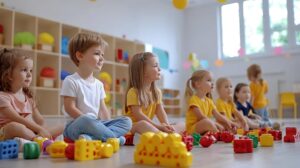
One of the most valuable aspects of Preschool is social development. Children learn how to take turns, resolve small conflicts, and communicate their needs. These moments may seem small, but they shape emotional intelligence.
Teachers guide children through emotions rather than correcting them harshly. This approach builds trust and confidence. Over time, children become more comfortable speaking up, trying new activities, and forming friendships.
In supportive Preschool environments, children learn that mistakes are part of learning. This mindset encourages curiosity and resilience that lasts well beyond the early years.
Learning Through Play and Exploration
Preschool learning is intentionally hands-on. Play-based learning allows children to explore concepts at their own pace while staying engaged. Activities are designed to stimulate creativity, problem-solving, and early literacy.
You may see children painting, building, role-playing, or experimenting with textures and sounds. These activities are not random. They are carefully planned to support brain development and early academic skills.
Many Preschool programs also introduce STEAM concepts in simple ways. Counting blocks, observing nature, or creating patterns all support early math and science thinking without pressure.
How Preschool Prepares Children for Kindergarten
Preschool does not rush children into academics. Instead, it prepares them emotionally and socially for the structure of kindergarten. Children learn how to sit in a group, listen to a teacher, and follow routines.
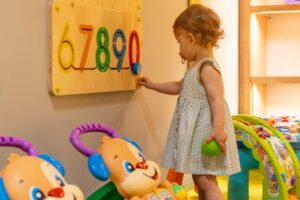
They also begin recognizing letters, shapes, and numbers naturally. Early literacy skills such as storytelling, vocabulary building, and listening comprehension are key Preschool outcomes.
By the time children move on, they are not only academically ready but also confident and adaptable. This balanced readiness often leads to smoother transitions and positive school experiences.
Supporting Your Child’s Preschool Transition
Starting Preschool can be emotional for both children and parents. Preparing your child ahead of time helps ease anxiety. Talk positively about Preschool and describe what their day might look like.
Establish consistent routines at home, especially around sleep and meals. Familiar routines make Preschool days feel more manageable. It also helps to practice independence, such as putting on shoes or cleaning up toys.
Stay connected with teachers and staff. Strong communication between families and Preschool educators creates a sense of continuity that children benefit from greatly.
Choosing the Right Preschool in Hoboken
Families in Hudson and Monroe in Hoboken often seek Preschool programs that combine safety, learning, and emotional care. Look for classrooms that feel welcoming and calm. Teacher-to-child ratios, cleanliness, and communication practices all matter.
Ask how teachers support social development and emotional wellbeing. A nurturing environment is just as important as curriculum. You can also explore parent resources from trusted organizations like the American Academy of Pediatrics.
Why Preschool Is an Investment in Your Child’s Future
Preschool is not just a short phase. It is an investment in lifelong learning habits. Children who attend quality Preschool programs often show stronger social skills, confidence, and adaptability.
They learn how to ask questions, try new things, and feel comfortable in learning environments. These skills support academic success and personal growth for years to come.
For families in Hoboken, choosing the right Preschool means choosing a place where children feel safe, valued, and inspired every day.
Take the Next Step With Confidence
Choosing Preschool is a meaningful decision, and having the right information makes all the difference. If you are looking for a warm, supportive Preschool environment in Hudson or Monroe in Hoboken, we invite you to explore our programs.
Visit https://thestepbystepschool.com to learn more, schedule a tour, and see how we support children through every early learning milestone. Your child’s journey starts with one thoughtful step.
Frequently Asked Questions About Preschool
What age should my child start Preschool?
Most children begin Preschool between ages three and four. Readiness depends on emotional development, communication skills, and comfort being away from home for short periods.
How is Preschool different from daycare?
Preschool focuses more on structured learning, social development, and school readiness. While care is still nurturing, Preschool includes intentional educational activities guided by trained educators.
How does Preschool support social skills?
Preschool provides daily opportunities for group play, sharing, and communication. Teachers guide children through social situations, helping them learn cooperation and emotional regulation.
What should my child bring to Preschool?
Most Preschool programs ask for a backpack, a change of clothes, and comfort items if needed. Specific supplies vary, and schools usually provide a detailed checklist.
Is Preschool important even if my child stays home?
Yes. Preschool offers experiences that are difficult to replicate at home, such as peer interaction, group routines, and guided learning in a social setting. These experiences support well-rounded development.