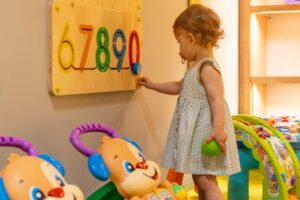

Choosing the right daycare is one of the most important decisions for parents of infants and toddlers. High-quality daycare provides safety, nurturing, and learning opportunities. Families in Hoboken, especially near Hudson and Monroe, rely on local daycare centers to support early development. Understanding the benefits of quality daycare can help parents make informed decisions and give their children a strong start in life.
Emotional and Social Development
Daycare offers an environment where infants and toddlers can develop emotional security and social skills. Interacting with caregivers and peers helps children learn empathy, patience, and communication. They gain confidence in expressing themselves and managing emotions. Quality daycare programs in Hudson and Monroe emphasize nurturing relationships and structured social activities to foster emotional growth. According to the American Academy of Pediatrics, early socialization plays a critical role in long-term mental health and school readiness.
Cognitive and Language Growth
Infants and toddlers in daycare are exposed to language-rich environments. Teachers talk, read, and sing with children, stimulating vocabulary and comprehension. Group activities encourage problem-solving and curiosity. Research shows that children in high-quality daycare often demonstrate stronger early literacy and numeracy skills. Daycare centers in Hoboken implement structured activities designed to promote cognitive development while keeping play fun and engaging.
Routine and Structure
A predictable routine is essential for young children. Daycare centers provide structured schedules that include playtime, meals, naps, and educational activities. Infants and toddlers thrive with consistent routines that create a sense of stability. Routines also help children develop independence and self-regulation. Families in Hudson and Monroe find that daycare routines complement home schedules, making transitions smoother and reducing stress for children.
Safety and Health Benefits
Quality daycare ensures a safe and clean environment. Staff are trained in first aid, emergency protocols, and child supervision. Toys, surfaces, and sleeping areas are sanitized regularly to prevent illness. Daycare centers in Hudson and Monroe follow state regulations to maintain high standards of safety and hygiene. Access to proper nutrition, outdoor play, and structured rest periods also supports physical development and overall health.
Early Learning and Play-Based Education
Play is central to infant and toddler development. Daycare offers age-appropriate toys, sensory activities, and creative learning experiences. Play-based learning enhances cognitive, social, and motor skills. Teachers observe children and adjust activities to meet developmental needs. Quality daycare centers in Hoboken design programs that integrate learning seamlessly into play, encouraging curiosity, exploration, and skill-building.
Parent Support and Guidance
Daycare does more than support children; it also helps parents. Teachers provide updates on milestones, behavior, and health. Many centers offer guidance on routines, nutrition, and early learning strategies. Parents in Hudson and Monroe benefit from regular communication, which strengthens the partnership between home and daycare. Knowing your child is in capable hands reduces parental stress and promotes a positive family environment.
Preparing for School
High-quality daycare prepares infants and toddlers for future educational success. Children learn basic routines, social interaction, and early problem-solving skills. Exposure to group learning and peer interaction builds readiness for preschool and kindergarten. Centers in Hudson and Monroe focus on early developmental milestones, ensuring that children have a strong foundation for lifelong learning.
Benefits of Multi-Age Interaction
Many daycare programs offer opportunities for interaction between different age groups. Toddlers learn by observing older children and practicing caregiving skills with infants. This environment encourages empathy, cooperation, and communication. Multi-age interaction fosters confidence and leadership while allowing younger children to model behavior from peers. Families in Hoboken find that these dynamics contribute to well-rounded social and emotional development.
Emotional Security and Attachment
Quality daycare staff form stable, caring relationships with infants and toddlers. Consistent caregivers help children feel secure, reducing anxiety and promoting trust. Attachment to caregivers is essential for emotional development, self-esteem, and resilience. In Hudson and Monroe, families often choose centers that emphasize consistent staffing and strong adult-child connections to ensure children feel safe and valued.
Long-Term Benefits
Early exposure to a high-quality daycare environment has lasting benefits. Children develop social skills, cognitive abilities, and emotional intelligence. Parents gain confidence in their childcare choices and receive support in balancing work and family. Choosing a daycare in Hoboken or near Hudson and Monroe provides a foundation for growth that extends well beyond the toddler years.
Conclusion
Quality daycare for infants and toddlers supports emotional, social, cognitive, and physical development. Families in Hoboken, especially around Hudson and Monroe, can choose centers that provide structured routines, nurturing care, and learning-rich environments. By understanding these benefits, parents can make informed decisions and give their children the best possible start in life. Explore local daycare options today and provide your child with a safe, stimulating, and supportive environment for early growth.
FAQs
1. What are the main benefits of daycare for infants and toddlers?
Daycare provides socialization, early learning, structured routines, safety, and emotional support. High-quality daycare helps children develop skills essential for school readiness.
2. How does daycare support early cognitive and language development?
Teachers engage children with conversation, reading, and interactive activities. Exposure to new vocabulary, problem-solving tasks, and creative play stimulates brain development.
3. Can daycare help with emotional and social growth?
Yes. Children interact with peers and caregivers daily, learning empathy, cooperation, and emotional regulation. Structured routines and group activities promote social confidence.
4. What should parents look for in a daycare in Hudson or Monroe?
Check for trained staff, safe facilities, clean environments, structured routines, and opportunities for early learning and socialization. Parent-teacher communication is also key.
5. How does daycare prepare toddlers for school?
Daycare introduces children to routines, group learning, and peer interaction. These experiences build independence, cooperation, and early problem-solving skills essential for preschool and kindergarten.