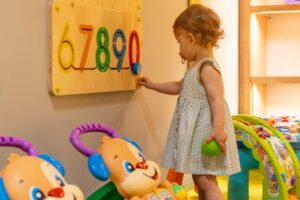

Choosing the right Daycare is one of the most important decisions parents make in the early years of their child’s life. It is about more than convenience. The right environment supports learning, emotional development, and social growth. Parents want a place where children feel safe, valued, and encouraged to explore the world around them. A thoughtful approach can help you find a Daycare that supports both your child’s development and your family’s needs.
In communities like Hudson and Monroe in Hoboken, many families look for childcare options that combine safety, nurturing care, and strong early learning programs. The challenge is not the lack of options but knowing how to evaluate them. Understanding what to look for in a Daycare can help parents make confident and informed decisions. The following guide outlines practical steps that will help you choose the right place for your child.
Why Choosing the Right Daycare Matters
The early years of childhood play a major role in shaping cognitive, emotional, and social development. A well-structured Daycare program helps children build communication skills, develop independence, and learn how to interact with others. These experiences create a foundation that supports future academic success.
Quality Daycare also provides a safe space where children can explore through play, guided activities, and social interaction. According to research from the American Academy of Pediatrics, early childhood environments that promote learning and social interaction help strengthen long-term development. Parents benefit as well because reliable childcare allows them to focus on work and daily responsibilities with peace of mind.
What to Look for in a Daycare Center
When evaluating a Daycare, start by observing the environment and daily routines. A high-quality center should feel welcoming, organized, and calm. Children should appear engaged in activities rather than simply being supervised. Teachers should interact with children in a supportive and attentive manner.
Another important factor is staff experience. Qualified caregivers with training in early childhood education often create stronger learning environments. You can review recommended childcare standards from the National Association for the Education of Young Children to understand what quality programs look like. A professional Daycare should also be licensed and follow clear health and safety procedures.
Questions Every Parent Should Ask
Before choosing a Daycare, prepare a list of questions. Ask about daily schedules, learning activities, safety policies, and staff training. Understanding how a program operates helps parents evaluate whether it matches their expectations.
Parents should also ask about communication between teachers and families. A strong Daycare encourages regular updates about a child’s progress, behavior, and learning milestones. When parents and caregivers work together, children benefit from consistent support at home and at school.
Safety and Cleanliness Standards
Safety is one of the most critical elements of a reliable Daycare. Facilities should have secure entry systems, clear check-in procedures, and well-maintained classrooms. These measures ensure that only authorized individuals have access to the building.
Cleanliness is equally important. Toys, learning materials, and play areas should be cleaned regularly to protect children from illness. Parents visiting a Daycare should observe whether staff maintain proper hygiene practices and supervise children closely during play and activities.
Learning Programs and Daily Activities
A strong Daycare program includes more than supervision. Children should participate in structured activities that support early learning. These might include storytelling, art projects, music, outdoor play, and simple science exploration.
Many centers also incorporate play-based learning. This approach allows children to develop creativity and problem-solving skills through hands-on experiences. A balanced Daycare schedule includes both guided learning and free play so children can explore their interests naturally.
Teacher-to-Child Ratios
Teacher-to-child ratios can significantly affect the quality of care. Smaller groups allow caregivers to give each child more attention and support. This helps children feel comfortable and builds stronger relationships with teachers.
Parents should always ask about ratios when evaluating a Daycare program. Younger children often need closer supervision and individualized care. A center that maintains appropriate group sizes is better equipped to provide a nurturing and responsive environment.
Finding a Local Daycare in Hudson and Monroe in Hoboken
For families living near Hudson and Monroe in Hoboken, location is an important factor when choosing a Daycare. A nearby center makes daily routines easier and allows parents to stay connected to their child’s learning environment.
Local programs also create opportunities for children to build friendships with peers from the same community. Many parents prefer a Daycare that reflects the diverse families and values of the neighborhood. Visiting several centers in Hudson and Monroe in Hoboken can help parents compare programs and find the best fit.
Trust Your Instincts as a Parent
While research and recommendations are valuable, parents should also trust their instincts when choosing a Daycare. Pay attention to how staff members interact with children and how comfortable your child feels during visits.
A welcoming environment, attentive teachers, and happy children are often strong signs of a quality program. When parents feel confident in a Daycare, it creates a positive experience for the entire family.
Final Thoughts
Choosing the right Daycare requires careful consideration, but the effort is worth it. A supportive childcare environment can help children grow socially, emotionally, and intellectually. Parents who take time to visit centers, ask questions, and observe classrooms often find programs that truly support their child’s development.
If you are searching for a trusted Daycare in Hudson or Monroe in Hoboken, consider scheduling a visit to see how our programs support young learners. Our team is committed to creating a safe, nurturing environment where children can learn, explore, and thrive. Contact us today to schedule a tour and discover how our Daycare community can support your family.
Frequently Asked Questions
1. What age is best to start Daycare?
Many children begin Daycare between six months and two years of age. The best time depends on family needs and the child’s development. A supportive Daycare program can help infants and toddlers build early social and learning skills.
2. How do I know if a Daycare is safe?
A safe Daycare should have secure entry systems, trained staff, proper licensing, and clean facilities. Parents should also observe how caregivers supervise children and follow safety procedures during daily activities.
3. How many children should be in a Daycare class?
The ideal class size varies by age. Younger children usually require smaller groups and more supervision. A high-quality Daycare maintains balanced teacher-to-child ratios to ensure every child receives proper attention.
4. What should I look for during a Daycare visit?
During a Daycare visit, observe how teachers interact with children and how organized the classroom appears. Look for engaging activities, clean spaces, and children who seem happy and comfortable.
5. Is Daycare beneficial for child development?
Yes, a quality Daycare program can support social, emotional, and cognitive development. Children learn communication skills, teamwork, and independence while participating in structured and play-based learning activities.