
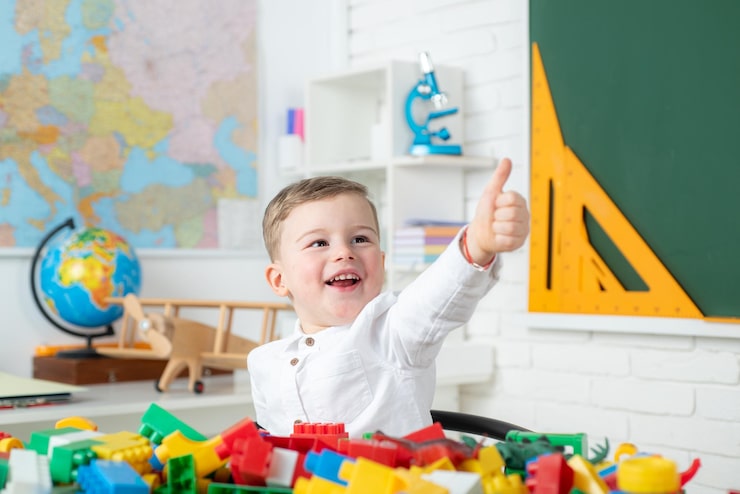
Early childhood is a critical time for emotional development, and Preschool plays a vital role in supporting this growth. Children experience a range of feelings as they navigate new social settings, routines, and challenges. A nurturing Preschool environment helps them understand, express, and manage emotions effectively.
For families in Hudson and Monroe in Hoboken, recognizing how Preschool fosters emotional development can guide the choice of a program that aligns with their child’s needs. Beyond academics, emotional growth forms the foundation for confidence, resilience, and strong social skills.
Understanding Emotional Growth in Preschool
Preschool supports emotional growth by providing a structured yet flexible environment. Children are introduced to daily routines, group activities, and guided interactions that promote self-awareness and self-regulation. Emotional growth includes recognizing feelings, managing frustration, and developing empathy.
Teachers in Preschool observe and respond to children’s emotional cues, offering guidance and modeling appropriate behavior. Over time, children learn that emotions are natural, manageable, and can be expressed constructively. This foundation strengthens both personal and social development.
Building Self-Awareness and Confidence
Preschool encourages children to explore their feelings and understand themselves. Activities such as storytelling, role-playing, and group discussions help children identify emotions like happiness, sadness, or frustration. Understanding emotions is the first step toward self-awareness.
Children gain confidence when they learn to express their feelings safely and constructively. Positive reinforcement from teachers and peers further reinforces self-esteem. Confident children are more willing to participate in learning and social activities.
For families in Hudson and Monroe in Hoboken, choosing a Preschool that emphasizes emotional support ensures children feel secure in expressing themselves.
Social Skills and Emotional Regulation
Social interaction is central to Preschool life. Children learn to cooperate, share, and communicate with peers. These interactions often involve negotiating, problem-solving, and managing disappointment, which strengthens emotional resilience.
Teachers guide children through conflicts by encouraging empathy and perspective-taking. Children learn to identify their own feelings and recognize others’ emotions. These skills are essential for forming friendships and working effectively in group settings.
Preschool classrooms in Hudson and Monroe in Hoboken provide familiar community environments where children can practice social and emotional skills safely.
Supporting Emotional Growth Through Play
Play-based learning is a cornerstone of emotional development in Preschool. Dramatic play, building activities, and group games allow children to explore emotions and relationships naturally. Play creates opportunities to express feelings, test ideas, and practice coping strategies.
Structured play encourages decision-making and collaboration. Children learn to manage impulses, negotiate roles, and adapt to changing circumstances. These experiences foster resilience and confidence.
Encouraging Independence and Responsibility
Preschool fosters emotional growth by promoting independence. Children are encouraged to manage small tasks like tidying up, preparing materials, or following classroom routines. Taking responsibility helps children feel capable and proud.
When children experience success in independent tasks, their confidence grows. They learn to handle challenges without relying solely on adults. These small accomplishments contribute to a sense of self-efficacy and emotional resilience.
For families in Hudson and Monroe in Hoboken, a supportive Preschool environment reinforces independence while ensuring children feel safe.
Coping With Transitions and New Experiences
Transitions—such as moving from home to Preschool—are significant emotional milestones. Preschool provides a stable routine that helps children adjust to new experiences. Teachers use gentle guidance and consistent schedules to ease these transitions.
Children learn coping strategies for separation, unexpected changes, and challenges during the day. These skills reduce anxiety and build flexibility. Mastering transitions early helps children approach future situations with confidence.
Emotional readiness gained in Preschool supports academic and social success in kindergarten and beyond.
Communication and Expression
Effective communication is key to emotional growth. Preschool encourages children to articulate feelings, ask for help, and express needs verbally. Activities like show-and-tell, storytelling, and group discussions enhance language skills and emotional expression.
Children also learn non-verbal communication, including recognizing facial expressions and body language. Understanding social cues is essential for empathy and building relationships.
Teachers in Preschool help children navigate communication challenges, creating an emotionally safe space for growth.
Emotional Support at Home and School
Preschool and home environments work best when aligned. Parents can reinforce emotional growth by validating feelings, modeling calm responses, and encouraging problem-solving. Consistency between home and Preschool strengthens emotional learning.
Engaging with teachers about strategies used in the classroom allows families to support emotional development effectively. Collaboration ensures children receive consistent guidance and encouragement.
Families in Hudson and Monroe in Hoboken benefit when Preschool and home environments work together to nurture emotional wellbeing.
Long-Term Benefits of Emotional Growth in Preschool
Children who develop strong emotional skills in Preschool are better equipped for lifelong success. They handle stress, setbacks, and social challenges more effectively. Confidence and resilience gained early translate into better academic performance and stronger relationships.
Emotional growth also supports self-motivation and curiosity. Children who understand their feelings can focus, engage, and enjoy learning experiences fully. Preschool lays the foundation for emotional and cognitive success.
Take the Next Step
If you are seeking a Preschool that nurtures emotional growth, consider visiting our programs in Hudson and Monroe in Hoboken. Our supportive, play-based environment helps children build confidence, empathy, and resilience while preparing them for future learning.
Visit https://thestepbystepschool.com to schedule a tour, meet our educators, and see how we prioritize emotional growth in every child.
Frequently Asked Questions About Preschool
How does Preschool support emotional growth?
Preschool supports emotional growth by providing structured routines, social interactions, and play opportunities where children learn to recognize, express, and manage feelings.
Can Preschool help shy children gain confidence?
Yes. Preschool provides safe, supportive settings where shy children can gradually engage in social activities and develop self-esteem through guided experiences.
What role do teachers play in emotional development?
Teachers model emotional regulation, guide social interactions, and provide encouragement, helping children understand and express their emotions constructively.
How can parents reinforce emotional growth at home?
Parents can validate feelings, encourage problem-solving, and maintain consistent routines, complementing the emotional learning their child receives in Preschool.
Why is emotional growth important for school readiness?
Emotional growth helps children handle transitions, cooperate with peers, and stay engaged in learning, laying a foundation for academic success and lifelong resilience.