Social skills are not learned from textbooks alone. Children develop communication, empathy, and cooperation through everyday interactions. While classrooms introduce these skills, time limits and academic pressure often restrict deeper social learning. This is where afterschool programs play a critical role. They provide space, time, and guidance for children to practice social skills in natural, low-pressure settings.
For families deciding on afterschool care, understanding this benefit is essential. Afterschool environments allow children to interact more freely than during the school day. These interactions shape confidence, emotional awareness, and peer relationships. For parents in Hudson and Monroe areas of Hoboken, local afterschool programs offer both community connection and meaningful developmental support.
Why Social Skills Matter After the School Day Ends
Children spend most of the school day following rules, schedules, and academic expectations. While structure is necessary, it limits spontaneous social interaction. Afterschool time gives children the opportunity to express themselves more openly. This shift is important for emotional balance.
Strong social skills help children navigate friendships, manage conflict, and communicate needs clearly. Afterschool programs intentionally support these skills through group activities and guided interaction. Without this support, some children struggle to build confidence outside the classroom. Afterschool care helps bridge that gap.
Afterschool Programs and Social Learning in Action
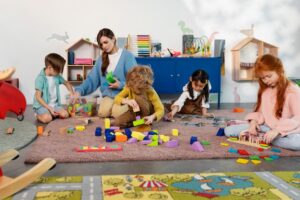
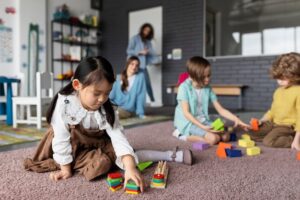
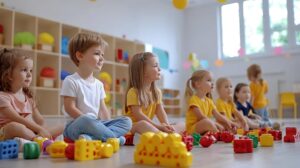
Afterschool programs create environments where social learning happens naturally. Children work in groups, share materials, and solve problems together. These everyday moments teach cooperation and patience. Staff guide interactions without controlling them.
Unlike classrooms, afterschool settings allow children to practice decision-making freely. They learn how their choices affect others. Over time, this builds empathy and accountability. According to the Collaborative for Academic, Social, and Emotional Learning (CASEL), consistent social interaction in supportive settings strengthens long-term emotional development.
Building Communication Skills Through Afterschool Activities
Communication is more than speaking clearly. It includes listening, understanding tone, and responding appropriately. Afterschool programs encourage conversation through play, group projects, and informal discussion. Children practice expressing ideas without fear of grades or correction.
These relaxed interactions help quieter children find their voice. More outspoken children learn to listen and compromise. Afterschool staff model respectful communication, reinforcing positive behavior. Over time, children become more confident and effective communicators.
Teamwork and Cooperation Beyond the Classroom
Group work in school often focuses on completing tasks. Afterschool teamwork focuses on relationships. Games, creative projects, and shared responsibilities encourage collaboration. Children learn that success depends on working together.
Afterschool programs also expose children to peers from different classrooms and age groups. This diversity strengthens adaptability and social awareness. Children learn to adjust communication styles and respect differences. These skills are essential for long-term success.
Managing Conflict in Afterschool Settings
Conflict is a natural part of social growth. Afterschool programs provide a safe space to address disagreements constructively. Staff guide children through problem-solving rather than punishment. This approach teaches accountability and empathy.
Children learn to identify emotions and express them appropriately. They practice negotiation and compromise in real situations. Afterschool care reinforces that conflict can be resolved respectfully. These lessons often transfer to school and home environments.
Emotional Regulation and Self-Awareness
Afterschool programs support emotional regulation by offering a calmer pace than the school day. Children decompress, reflect, and reset. Activities are designed to reduce stress while encouraging engagement. This balance helps children recognize and manage emotions.
Staff observe emotional patterns and offer guidance when needed. Children learn coping strategies through practice rather than instruction alone. Afterschool environments normalize emotional expression, helping children feel understood and supported.
Social Confidence and Peer Relationships
Confidence grows through repeated positive interactions. Afterschool programs provide consistent opportunities for children to form friendships. These relationships are often less competitive than classroom dynamics. Children feel freer to be themselves.
Over time, children develop a sense of belonging. This belonging strengthens self-esteem and reduces social anxiety. Afterschool programs also help children navigate peer pressure and develop healthy boundaries. These benefits extend far beyond the afterschool hours.
The Role of Afterschool Staff in Social Development
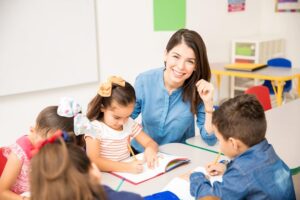
Staff play a crucial role in shaping social experiences. In high-quality afterschool programs, staff act as facilitators rather than directors. They observe, guide, and model positive behavior. This approach encourages independence while maintaining safety.
Consistent staff relationships help children feel secure. Trust allows children to take social risks, such as making new friends or resolving conflicts. Afterschool programs that invest in staff training see stronger social outcomes. According to the American Academy of Pediatrics, supportive adult relationships are key to healthy social development.
Community and Location-Based Social Learning
Local afterschool programs strengthen community ties. Children interact with peers from their neighborhood, building familiarity and trust. In Hoboken, afterschool programs near Hudson and Monroe offer children continuity between school, home, and community.
This connection reinforces social learning outside structured environments. Children develop a sense of responsibility toward their community. Local afterschool care helps children feel grounded and supported. These experiences contribute to long-term social confidence.
Choosing an Afterschool Program That Supports Social Growth
Not all afterschool programs are the same. Parents should look for programs that prioritize interaction, inclusion, and emotional support. Ask how staff handle conflicts and encourage collaboration. Observe how children interact during activities.
A strong afterschool environment feels calm, engaged, and welcoming. Social learning should be visible in everyday moments. When children feel safe and valued, social skills develop naturally. Afterschool care should support the whole child, not just fill time.
Frequently Asked Questions About Afterschool and Social Skills
How do afterschool programs improve social skills?
Afterschool programs provide consistent opportunities for interaction, teamwork, and communication. Children practice social skills daily in guided, supportive environments.
Are afterschool programs helpful for shy children?
Yes, afterschool programs offer low-pressure settings where shy children can build confidence gradually. Smaller groups and familiar routines support social growth.
Do afterschool programs help with conflict resolution?
Afterschool programs teach children how to manage disagreements respectfully. Staff guide problem-solving and emotional awareness rather than punishment.
Can afterschool programs support emotional development?
Afterschool care supports emotional regulation by providing calm routines and supportive relationships. Children learn to identify and manage emotions effectively.
Are local afterschool programs better for social connection?
Local afterschool programs often strengthen peer relationships and community ties. In areas like Hudson and Monroe in Hoboken, familiarity enhances social comfort.