
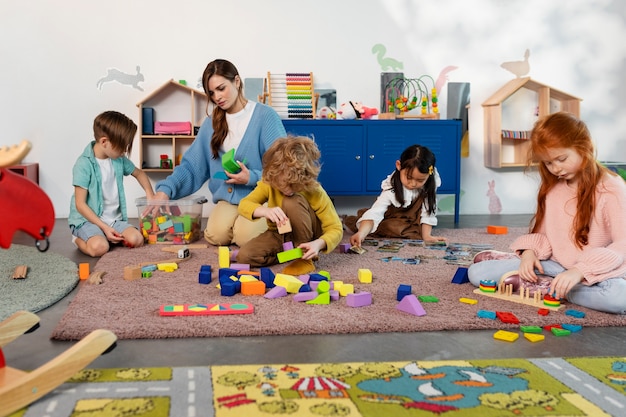
Starting Daycare can be an exciting yet challenging time for children and parents alike. Even if your child is outgoing, adjusting to a new environment, caregivers, and peers takes time. A thoughtful approach can make this transition smoother, helping children feel secure and supported. With the right preparation, your child can develop confidence, independence, and a positive outlook toward childcare.
Parents in Hudson and Monroe in Hoboken often seek guidance on easing this transition. High-quality Daycare programs recognize the importance of emotional support during the first days and weeks. By combining preparation at home with effective strategies at the center, families can help children thrive in their new setting.
Why Transitions to Daycare Can Be Challenging
Children experience separation anxiety, changes in routine, and unfamiliar social settings when starting Daycare. Even a previously confident child may feel overwhelmed by new faces, schedules, and expectations. Research from the American Academy of Pediatrics indicates that children benefit when parents prepare them emotionally and gradually introduce new environments.
Understanding the challenges allows parents to provide reassurance and consistency. A positive first experience at Daycare helps children feel safe and encourages them to engage in learning and social activities. Families in Hudson and Monroe in Hoboken often choose centers that emphasize gentle transitions, structured routines, and caring teachers.
Gradual Introduction and Familiarization
One effective strategy is a gradual introduction to Daycare. Start with shorter days, allowing children to get accustomed to the environment without feeling overwhelmed. Spending time with the teacher and exploring the classroom together helps children feel safe and confident.
Gradual separation allows children to understand that their parents will return, reducing anxiety. Many Daycare programs in Hudson and Monroe in Hoboken encourage short trial periods to help children adjust at their own pace. This method fosters trust and builds a foundation for positive engagement.
Preparing Your Child at Home
Before starting Daycare, talk to your child about what to expect. Discuss the new routine, the activities they will enjoy, and the friends they may meet. Using books or storytelling about Daycare can help children visualize the environment and understand what is coming.
Encourage independence in small ways at home. Simple tasks such as dressing themselves, cleaning up toys, or eating independently can give children confidence. Parents who prepare children emotionally and practically often see smoother transitions in Daycare settings.
Creating Comfort With Familiar Items
Allowing children to bring familiar objects from home can ease the Daycare transition. A favorite blanket, stuffed animal, or small toy provides comfort in an unfamiliar environment. Familiar items can help children cope with separation and maintain a sense of security.
Teachers in high-quality Daycare programs recognize the value of these comfort items. Families in Hudson and Monroe in Hoboken often find that bringing a personal item encourages a positive start to the day and reduces emotional stress.
Establishing a Consistent Goodbye Routine
Consistency helps children feel secure during Daycare drop-offs. Develop a predictable routine, such as a special hug, wave, or phrase. Children quickly learn what to expect and feel reassured by repeated patterns.
Parents should keep goodbyes brief and confident. Lingering or showing anxiety can unintentionally heighten a child’s stress. A consistent routine allows children to transition more easily into the Daycare environment.
Communicating With Daycare Staff
Open communication with Daycare staff is crucial during the transition. Teachers can provide updates on your child’s mood, participation, and social interactions. Discussing concerns and strategies helps maintain consistency between home and the center.
Staff at centers in Hudson and Monroe in Hoboken often welcome collaboration with parents to ensure each child’s needs are met. Regular check-ins allow parents to adjust routines or strategies to support a smooth adjustment.
Encouraging Social Interaction
Socialization is a key part of Daycare adaptation. Encourage children to engage with peers through guided play or structured activities. Teachers often facilitate group games, storytime, and creative projects to help children build friendships.
Participating in social activities helps children feel part of the classroom community. In high-quality Daycare programs, supportive interactions promote emotional security, confidence, and a sense of belonging.
Patience and Positive Reinforcement
Adjusting to Daycare takes time. Some children adapt quickly, while others need several weeks to feel comfortable. Celebrate small successes, such as attending without tears or participating in a new activity.
Positive reinforcement and gentle encouragement build confidence and motivation. Parents in Hudson and Monroe in Hoboken often see children gradually grow more independent, engaged, and enthusiastic about Daycare routines.
Maintaining Consistency Between Home and Daycare
Consistency between home and Daycare routines helps children feel secure. Maintain familiar mealtimes, nap schedules, and bedtime routines. Reinforce concepts and activities introduced at Daycare at home to strengthen learning and comfort.
A predictable environment reduces anxiety and supports emotional well-being. Coordinating with teachers ensures that children experience consistent expectations in both settings, smoothing the adjustment period.
Final Thoughts
Helping your child adjust to Daycare requires preparation, patience, and communication. By gradually introducing the center, establishing routines, and encouraging social interaction, parents can ease the transition. Supportive educators and consistent strategies make children feel secure and ready to explore.
Families in Hudson and Monroe in Hoboken can benefit from visiting Daycare centers beforehand, discussing concerns with staff, and creating a structured plan for the first days. With the right approach, children thrive emotionally, socially, and academically. Contact us today to learn more about how our Daycare programs support smooth transitions and foster a love for learning.
Frequently Asked Questions
1. How can I help my child adjust to Daycare quickly?
Gradual introductions, familiar items, consistent routines, and open communication with teachers all help children feel secure and adapt to Daycare.
2. What should I bring to comfort my child on the first day?
A small blanket, stuffed animal, or favorite toy can provide emotional comfort and help children transition smoothly into Daycare.
3. How long does it typically take for children to adjust?
Adjustment varies by child. Some adapt within a few days, while others take several weeks. Consistency, patience, and positive reinforcement speed the process in Daycare.
4. How can I collaborate with Daycare staff during the transition?
Regular communication with teachers about routines, concerns, and progress ensures your child receives consistent support. Staff in Hudson and Monroe in Hoboken welcome parent collaboration to ease Daycare adjustment.
5. What role does social interaction play in Daycare adjustment?
Social activities and peer interactions help children build friendships, emotional confidence, and a sense of belonging, making Daycare a positive and enriching experience.