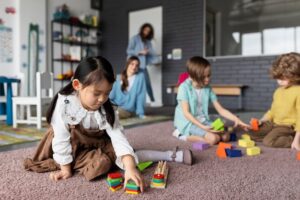

The end of the school day does not mean children instantly reset. After hours of structure, rules, and expectations, many children feel mentally tired and emotionally full. This is why the transition into afterschool care matters so much. A smooth transition sets the tone for the rest of the afternoon and evening.
Afterschool hours should feel supportive, not overwhelming. When transitions are rushed or unplanned, children may act out, withdraw, or struggle to focus. High-quality afterschool routines help children shift gears calmly. For families in Hudson and Monroe areas of Hoboken, thoughtful afterschool transitions can make daily life noticeably easier.
Why Transitions Matter in Afterschool Care
Transitions are emotionally demanding for children. Moving from classroom expectations to afterschool environments requires adjustment. Children often carry the stress of the school day into afterschool time.
Afterschool programs that prioritize transitions understand this emotional load. They slow things down and provide predictable routines. When children know what to expect, anxiety decreases. Smooth transitions support better behavior, focus, and emotional regulation.
Afterschool Decompression Before Structure
Children need time to decompress before engaging in afterschool activities. A short break helps them release built-up tension. This might include a snack, quiet conversation, or light movement.
Afterschool programs that rush children straight into homework often see resistance. Decompression allows children to reset mentally. According to the American Academy of Pediatrics, transition time helps children regulate emotions and improves engagement later in the day.
Creating Predictable Afterschool Routines
Predictability builds trust. Afterschool routines help children feel safe and grounded. When children know the order of activities, transitions become smoother.
Effective afterschool routines often follow a simple rhythm. Arrival and snack come first. Homework or focused activities follow. Play and enrichment come later. This consistency reduces power struggles and confusion.
Emotional Support During Afterschool Transitions
Children do not always express stress clearly. Emotional support during afterschool transitions is essential. Staff and caregivers should observe mood changes and energy levels.
Afterschool environments that allow children to talk about their day build emotional awareness. Simple check-ins help children feel heard. When emotions are acknowledged, children settle more quickly. This support strengthens trust and connection.
The Role of Physical Movement After School
Movement helps children release stress. After sitting for long periods, bodies need activity. Afterschool programs that include movement early in the schedule support smoother transitions.
This does not mean high-energy chaos. Gentle outdoor play or structured movement works best. Physical activity improves mood and focus. Afterschool care that integrates movement reduces restlessness and improves behavior.
Homework Timing and Afterschool Transitions
Homework is often the hardest transition. Children may resist academic tasks after a long school day. Afterschool programs ease this transition by spacing homework appropriately.
Homework works best after decompression and movement. Afterschool staff provide guidance without pressure. This approach reduces frustration and builds independence. Homework becomes part of the routine, not a battle.
Social Transitions in Afterschool Settings
Social dynamics shift after school. Children interact more freely and with different peers. Afterschool programs support this transition by encouraging positive social behavior.
Group activities help children reconnect socially. Staff guide interactions and model respectful communication. Afterschool environments allow children to practice social skills in a relaxed setting. This strengthens peer relationships and confidence.
How Afterschool Staff Support Smooth Transitions
Staff play a central role in afterschool transitions. Calm, consistent adults set the tone. Children mirror the energy of caregivers.
High-quality afterschool programs train staff to manage transitions intentionally. Clear instructions, gentle reminders, and emotional awareness make a difference. Staff who know children well can anticipate needs. This proactive approach prevents challenges before they escalate.
Transitioning From School to Afterschool at Home
Not all transitions happen in programs. Families managing afterschool time at home can apply the same principles. Decompression, routine, and emotional support still matter.
Parents should avoid scheduling demanding tasks immediately after school. A calm environment helps children adjust. Afterschool routines at home benefit from consistency and flexibility. Small changes can greatly improve transitions.
Local Afterschool Transitions and Community Familiarity
Location influences how children experience transitions. Afterschool programs near Hudson and Monroe in Hoboken reduce travel fatigue. Familiar surroundings help children relax faster.
Local afterschool care keeps children connected to their community. Familiar faces and routines ease emotional adjustment. Community-based programs often understand local school schedules and expectations. This alignment supports smoother daily transitions.
Signs a Child Is Struggling With Afterschool Transitions
Some children need extra support during transitions. Signs include irritability, withdrawal, or resistance to routine. These behaviors often signal overload, not defiance.
Afterschool programs should respond with patience and flexibility. Adjusting timing or activity order can help. Communication between parents and afterschool staff is essential. Early support prevents long-term stress.
Helping Children Build Transition Skills Over Time
Transition skills develop with practice. Afterschool routines teach children how to shift between activities independently. Over time, children learn self-regulation.
Encouraging children to reflect on their day builds awareness. Afterschool care that supports gradual independence strengthens confidence. These skills benefit children in school, home, and social settings. Smooth transitions become a learned habit.
Frequently Asked Questions About Afterschool Transitions
Why is my child tired during afterschool hours?
Children expend mental and emotional energy at school. Afterschool fatigue is normal and should be addressed with decompression and rest.
How can afterschool programs improve transitions?
Afterschool programs use routines, emotional support, and structured timing to ease transitions. These elements help children reset calmly.
Should homework start immediately after school?
No. Afterschool homework works best after a short break and light activity. This improves focus and reduces resistance.
How can parents support afterschool transitions at home?
Parents can create predictable routines and allow decompression time. Consistency helps children adjust more smoothly.
Are local afterschool programs better for transitions?
Local afterschool programs often reduce travel stress. In Hudson and Monroe areas of Hoboken, familiarity supports emotional comfort.