For many families, Preschool is a new and exciting chapter filled with curiosity and questions. Parents often wonder what their child’s day will look like and how play fits into learning. The truth is, play is not a break from learning. In Preschool, play is the way learning happens.
A well-structured Preschool day offers balance. It combines routine, exploration, and rest in a way that supports the whole child. For families in Hudson and Monroe in Hoboken, understanding the flow of a Preschool day can bring reassurance and confidence.
Why Structured Play Matters in Preschool
Preschool structured play is intentional. It gives children freedom within a guided framework. This balance helps children feel safe while encouraging exploration and independence.
Structured play supports cognitive, social, emotional, and physical development. Children practice problem-solving, communication, and cooperation in meaningful ways. These experiences build strong foundations for future learning.
Morning Arrival and Warm Transitions
The Preschool day often begins with a calm and welcoming arrival. Teachers greet children by name, helping them feel seen and secure. This transition sets the tone for the rest of the day.
Children may begin with free play or quiet activities as everyone arrives. This time allows children to settle in at their own pace. Preschool routines are predictable, which helps reduce anxiety.
For young learners, a smooth start supports emotional regulation and readiness to engage.
Circle Time and Group Connection
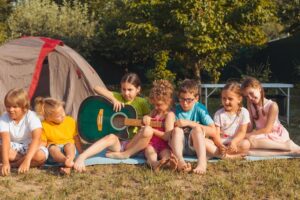
Circle time is a key part of the Preschool morning. Children gather together to sing songs, listen to stories, and talk about the day. These moments build community and communication skills.
During circle time, children practice listening, taking turns, and expressing ideas. Teachers introduce themes or topics that guide the day’s activities. This shared experience strengthens social bonds.
Circle time also helps children feel part of a group, which builds confidence and belonging.
Learning Centers and Structured Play
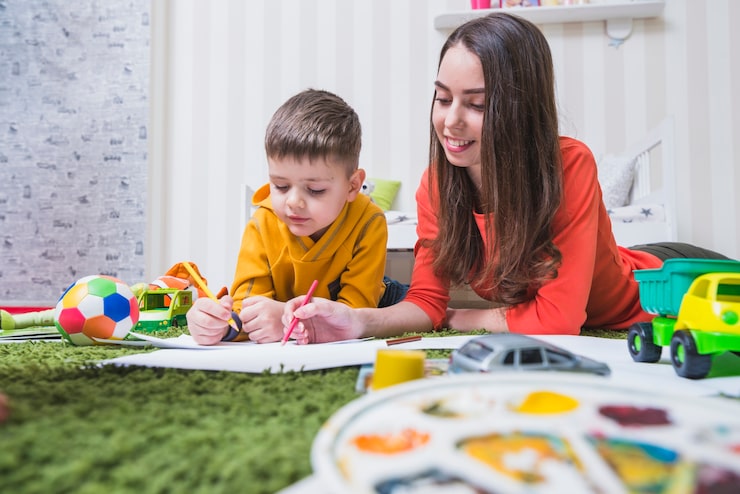
Learning centers are where structured play truly comes to life. In Preschool, these centers might include art, building, pretend play, literacy, or sensory exploration. Each center supports different developmental skills.
Children choose activities within a guided structure. This choice encourages independence while maintaining focus. Teachers observe and gently guide play to extend learning.
Structured play allows children to explore concepts like numbers, language, and problem-solving naturally. It feels joyful and meaningful, not forced.
Outdoor Play and Physical Development
Outdoor play is an important part of the Preschool day. Children move, run, climb, and explore their environment. Physical activity supports motor skills and overall health.
Structured outdoor play also teaches cooperation and rule-following. Games and group activities help children practice social interaction. Fresh air and movement improve focus for indoor learning.
In communities like Hudson and Monroe in Hoboken, outdoor spaces play a valuable role in daily Preschool routines.
Snack, Meals, and Social Learning
Snack and meal times are more than breaks. In Preschool, they are opportunities for social learning. Children practice manners, conversation, and independence.
Teachers encourage children to serve themselves when appropriate. These small tasks build confidence and responsibility. Shared meals also strengthen peer relationships.
These everyday moments teach life skills that extend beyond the classroom.
Quiet Time and Rest
Preschool days include quiet time or rest periods. This helps children recharge emotionally and physically. Not all children sleep, but all benefit from a calm pause.
Quiet activities may include reading, listening to music, or gentle relaxation. These moments support self-regulation and focus. Children learn to slow down and listen to their bodies.
Balance between activity and rest is essential in Preschool environments.
Afternoon Activities and Reflection
The afternoon often includes continued structured play, creative activities, or small group learning. Teachers may revisit morning themes or introduce new experiences. This reinforces learning through repetition and variety.
Children also reflect on their day. Simple discussions about what they enjoyed help build language skills and self-awareness. Preschool encourages children to express thoughts and feelings.
These closing moments prepare children for a smooth transition home.
How Structured Play Supports Early Development
Structured play supports all areas of early development. It builds cognitive skills through exploration and problem-solving. Social skills grow through collaboration and communication.
Emotional development is supported as children learn to manage feelings and build confidence. Physical development improves through movement and coordination. Preschool brings all these elements together naturally.
Choosing the Right Preschool Experience
Not all Preschool programs are the same. Look for environments that value structured play and emotional wellbeing. Teachers should guide play with intention and care.
Families in Hudson and Monroe in Hoboken often seek Preschool programs that balance learning with warmth. A nurturing environment helps children thrive.
You can explore our Preschool programs and philosophy here: https://thestepbystepschool.com/programs.
Building Confidence Through Routine and Play
Children thrive on predictability. Preschool routines help children feel secure and confident. When children know what to expect, they feel safe to explore.
Structured play within these routines allows children to take initiative. They learn that their choices matter. This balance supports independence and curiosity.
Preschool is not about rushing growth. It is about supporting it thoughtfully.
Take the Next Step With Confidence
If you are curious about what a Preschool day looks like, we invite you to learn more. Families in Hudson and Monroe in Hoboken are welcome to visit and explore our nurturing environment.
Visit https://thestepbystepschool.com to schedule a tour and see how structured play supports early development every day.
Frequently Asked Questions About Preschool
What is structured play in Preschool?
Structured play in Preschool is guided play that supports learning goals while allowing children choice and creativity. It balances freedom and routine.
How does Preschool use play to teach?
Preschool uses play-based activities to teach language, math, social skills, and problem-solving in a natural and engaging way.
Is play really important in Preschool?
Yes. Play is essential in Preschool because it supports brain development, emotional growth, and social learning.
How long is a typical Preschool day?
A Preschool day varies by program but usually includes arrival, group time, structured play, outdoor play, meals, and rest.
How can parents support structured play at home?
Parents can support Preschool learning by offering open-ended play, routines, and opportunities for independence at home.