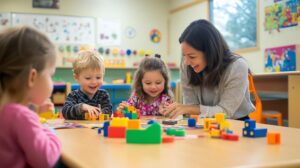

Children develop independence and confidence through repeated, meaningful experiences. Afterschool activities provide a unique setting for this growth. Unlike the structured school day, afterschool environments allow children to explore interests, take initiative, and solve problems in real-world contexts. This time nurtures self-reliance while offering guidance when needed.
For parents, understanding the benefits of afterschool activities is crucial. Programs that balance supervision with autonomy foster skill development and personal growth. Families in Hudson and Monroe areas of Hoboken can find local afterschool programs that support these outcomes while building a sense of community and connection.
Why Afterschool Activities Matter for Independence
Independence does not develop overnight. Children need safe spaces to make choices, experience consequences, and learn problem-solving. Afterschool activities give them opportunities to try new things without the pressure of grades or standardized outcomes. This freedom encourages curiosity and resilience.
Afterschool care also provides structured guidance that reinforces independence. Staff help children navigate challenges rather than solving problems for them. Over time, children learn to trust their abilities and develop confidence in decision-making.
Afterschool Activities and Choice-Based Learning
Afterschool activities often include options for children to select what interests them most. Whether choosing a creative art project, a STEM challenge, or a physical activity, these choices teach responsibility. Children learn that their decisions have outcomes and that they can manage tasks independently.
Choice-based learning in afterschool care also fosters accountability. When children see the results of their efforts, they gain pride in their accomplishments. This process encourages initiative, perseverance, and a growth mindset.
Building Confidence Through Skill Mastery
Skill development is at the heart of confidence. Afterschool activities allow children to practice and improve in areas of interest. Each milestone achieved reinforces self-esteem. Unlike school assessments, these achievements are personal and intrinsically motivating.
Activities like collaborative projects, sports, and creative challenges provide measurable progress. Children learn that effort leads to success. Staff provide guidance and encouragement, celebrating effort as much as results. This positive reinforcement strengthens confidence naturally.
Afterschool Social Activities and Self-Advocacy
Social experiences in afterschool programs teach children how to express themselves and advocate for their needs. In group projects, children negotiate roles, share opinions, and manage conflicts. These interactions promote both independence and interpersonal skills.
Children who participate in afterschool social activities practice speaking up in safe environments. They gain confidence in expressing ideas and respecting others’ perspectives. For families in Hudson and Monroe in Hoboken, local afterschool programs foster both community engagement and social skill development.
Encouraging Problem-Solving in Afterschool Environments
Problem-solving is a critical component of independence. Afterschool activities create situations where children must think critically and act creatively. Projects, games, and experiments encourage trial and error. Children learn resilience and adaptability through guided exploration.
Afterschool staff provide scaffolding rather than answers. This approach allows children to experience success and failure safely. Children gradually internalize strategies for managing challenges independently, boosting both competence and confidence.
Balancing Structure and Freedom
Independence develops best when children know there are boundaries within which they can explore. Afterschool programs combine structure and freedom to support this balance. Clear expectations guide behavior while leaving room for choice.
For example, children may have set homework time followed by optional enrichment activities. This combination helps children manage time, make decisions, and take responsibility for their learning. The balance of structure and freedom builds both confidence and accountability.
Afterschool Programs and Emotional Self-Reliance
Emotional independence is equally important. Afterschool activities allow children to regulate their emotions, make choices, and cope with challenges without immediate adult intervention. Staff model emotional regulation, providing support while encouraging self-reliance.
Children learn to manage frustration during challenging tasks or social interactions. They discover coping strategies, such as deep breathing, problem reframing, or seeking guidance appropriately. Over time, these skills promote resilience and confidence.
Leadership Opportunities in Afterschool Programs
Afterschool environments often provide opportunities for children to take on leadership roles. Leading a group activity, helping a peer, or organizing a project fosters self-confidence. Children learn that their contributions matter, reinforcing both independence and social responsibility.
These experiences build transferable skills. Leadership in afterschool care translates to confidence in classroom participation and daily life. Children see themselves as capable contributors, which strengthens self-esteem.
Local Afterschool Programs and Community Support
For families in Hoboken, proximity and familiarity matter. Afterschool programs near Hudson and Monroe provide a sense of continuity. Children develop independence in a supportive environment connected to their community.
Local programs also allow parents to engage with staff and observe children’s progress. This collaboration ensures that independence and confidence-building activities are tailored to each child’s needs. Community-based afterschool care strengthens both individual growth and neighborhood connection.
Signs Your Child Is Gaining Independence and Confidence
Children who thrive in afterschool activities display several key behaviors. They take initiative in projects, express ideas clearly, and manage tasks with less adult intervention. They show pride in accomplishments and approach challenges with resilience.
Parents notice improved problem-solving, social interactions, and emotional regulation. Afterschool care that promotes independence helps children transition more smoothly between school, home, and community environments.
Frequently Asked Questions About Afterschool Activities
How do afterschool activities build independence?
Afterschool activities give children opportunities to make decisions, manage tasks, and solve problems with guidance, fostering self-reliance.
Can afterschool programs improve confidence in shy children?
Yes. Small-group activities and supportive staff help shy children gain social confidence and recognize their abilities.
What types of afterschool activities best support skill mastery?
Creative projects, STEM challenges, sports, and leadership roles all provide measurable progress that reinforces confidence.
How do afterschool activities help with emotional self-reliance?
Children learn to manage frustration, cope with challenges, and make independent decisions while having supportive staff nearby.
Are local afterschool programs better for independence development?
Local programs in areas like Hudson and Monroe in Hoboken provide familiarity, continuity, and community engagement that support growth.