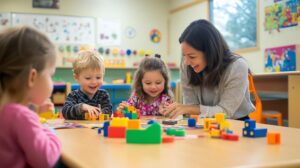

After the school day ends, children shift from a highly structured environment into a space that should feel supportive, not overwhelming. This transition is often where challenges appear. Parents want homework completed, children want to relax, and everyone needs the evening to run smoothly. Finding the right balance between homework, play, and structure afterschool is essential for a child’s emotional health and long-term development.
Afterschool hours shape how children view learning, responsibility, and rest. When these hours are chaotic or overly rigid, stress increases for both children and parents. High-quality afterschool routines create predictability without pressure. For families in Hudson and Monroe areas of Hoboken, thoughtful afterschool planning can make daily life noticeably calmer.
Why Afterschool Balance Matters More Than You Think
Children spend most of their day following schedules, instructions, and expectations. By the time school ends, mental fatigue is common. Afterschool time should help children reset, not replicate the intensity of the classroom. Balance allows children to recharge while still meeting responsibilities.
Without balance, afterschool hours often swing to extremes. Too much homework focus leads to burnout. Too much unstructured play leads to lost routines and late nights. Afterschool care that blends structure with flexibility supports both learning and well-being.
Understanding Homework Needs After School
Homework serves a purpose, but timing and approach matter. Children need a short break before diving into assignments. Afterschool programs often schedule homework after a snack or light activity to help children refocus. This simple transition improves concentration.
Quality afterschool support emphasizes guidance, not pressure. Staff encourage independence while remaining available for questions. This reduces frustration and builds confidence. According to the National Education Association, supportive homework environments help reinforce learning without increasing stress.
The Role of Play in Afterschool Development
Play is not wasted time. It is essential for emotional regulation, creativity, and social learning. Afterschool play allows children to release energy built up during the school day. This release improves mood and readiness for homework later.
Structured play in afterschool settings teaches cooperation and problem-solving. Free play encourages imagination and self-expression. A balanced afterschool routine includes both. Children who play regularly show better focus and emotional resilience.
Afterschool Structure That Supports, Not Controls
Structure provides predictability, which children need to feel safe. Afterschool programs use routines to guide transitions between activities. However, structure should not feel rigid. Flexibility allows children to respond to their own energy levels.
Effective afterschool structure includes clear expectations and consistent timing. Snack, homework, play, and quiet time follow a familiar rhythm. This rhythm helps children know what comes next. It also reduces behavioral challenges and anxiety.
Combining Homework, Play, and Structure Effectively
The most successful afterschool routines integrate all three elements. Homework comes after a short decompression period. Play follows focused academic time. Structure holds everything together without feeling restrictive.
Afterschool programs are designed to manage this balance intentionally. At home, achieving the same balance requires planning and consistency. Families benefit from routines that mirror high-quality afterschool care. Predictable schedules reduce daily negotiation and stress.
Emotional Benefits of a Balanced Afterschool Routine
Children who experience balanced afterschool routines show improved emotional regulation. They are less likely to feel overwhelmed or restless. Balanced afterschool time supports better sleep patterns and smoother evenings.
Emotional balance also improves family relationships. When homework is completed calmly and play needs are met, conflicts decrease. Afterschool balance supports not just children, but the entire household.
Social Interaction During Afterschool Hours
Afterschool programs provide valuable peer interaction that reinforces social skills. Group activities and shared play teach cooperation and communication. These interactions are less formal than classroom settings.
Children learn how to navigate friendships naturally. Afterschool environments allow space for resolving conflicts with guidance. Staying home may limit these opportunities, especially for only children. Afterschool care fills this gap effectively.
Local Afterschool Routines and Community Connection
For families in Hoboken, location influences afterschool routines. Afterschool programs near Hudson and Monroe reduce travel stress and ease transitions. Children stay connected to familiar neighborhoods and peers.
Local afterschool care strengthens community bonds. Children build friendships with classmates they see daily. This consistency supports emotional security and social confidence. Community-based afterschool programs offer both convenience and developmental value.
Signs Your Afterschool Balance Is Working
A balanced afterschool routine shows in daily behavior. Children transition calmly from school to home or care. Homework is completed without constant resistance. Play feels joyful, not rushed.
Parents notice smoother evenings and fewer power struggles. Children feel supported rather than controlled. Afterschool balance is not about perfection. It is about meeting needs consistently.
When Afterschool Balance Feels Off
If evenings feel chaotic, it may be time to reassess afterschool routines. Too much homework focus or too little structure often causes frustration. Children may act out or withdraw.
Adjustments should be gradual. Small changes in timing or activity order can make a big difference. Afterschool programs often help families identify these adjustments through observation and communication.
Frequently Asked Questions About Afterschool Balance
How much homework should be done during afterschool time?
Afterschool homework time should be focused but reasonable. Most afterschool programs aim to complete the majority of homework without rushing or pressure.
Is play really necessary afterschool?
Yes, play supports emotional release and improves focus. Afterschool play helps children transition out of academic mode and reduces stress.
Can afterschool programs help create better routines?
Afterschool programs are designed around balanced routines. They model effective transitions between homework, play, and structured activities.
What if my child is too tired afterschool?
Fatigue is common. Afterschool routines should include rest, snacks, and low-pressure activities before homework begins.
Are local afterschool programs better for consistency?
Local afterschool programs often provide smoother transitions. In Hudson and Monroe areas of Hoboken, proximity supports routine and community connection.