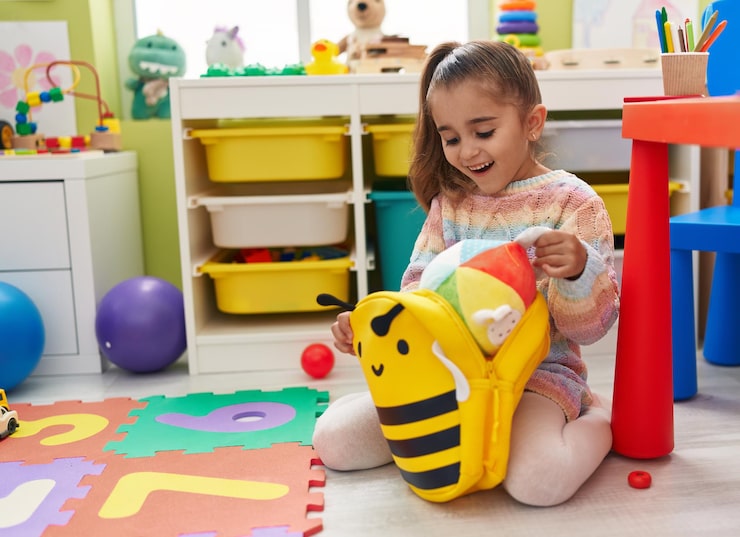
Early childhood is a critical period for learning, and Preschool provides the perfect environment for growth. Play-based learning is at the heart of effective Preschool programs. It’s more than fun—it’s a powerful way for children to explore, learn, and develop essential skills.
For families in Hudson and Monroe in Hoboken, understanding the importance of play-based learning can help them choose the right Preschool for their child. Structured play encourages problem-solving, creativity, social interaction, and emotional growth in a natural and engaging way.
What Is Play-Based Learning in Preschool?
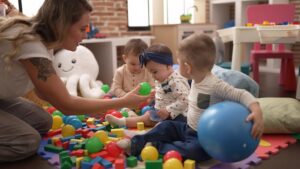
Preschool programs that use play-based learning focus on hands-on, child-directed activities. Children learn by interacting with materials, peers, and their environment. Teachers guide learning without pushing rigid lessons, allowing children to explore concepts at their own pace.
This method supports the whole child. Cognitive skills are developed as children experiment and discover. Social skills grow as they negotiate, share, and collaborate. Emotional growth occurs as children navigate feelings and build confidence.
How Play-Based Learning Boosts Cognitive Development
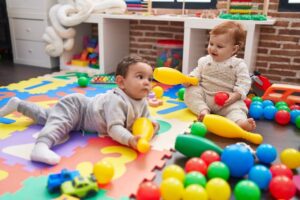
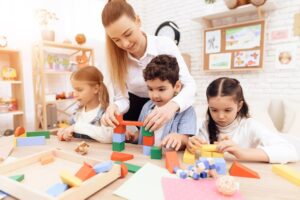
In Preschool, cognitive growth is supported through curiosity-driven activities. Children explore shapes, numbers, letters, and problem-solving in a hands-on way. Blocks, puzzles, and sensory activities help children understand cause and effect and develop critical thinking.
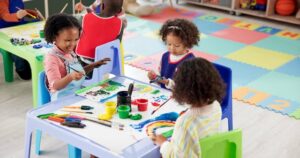
Play encourages creativity and imagination, which are vital for learning later in life. Children learn to ask questions, test ideas, and draw conclusions—all while having fun. These experiences lay a foundation for academic skills in reading, math, and science.
For children in Hudson and Monroe in Hoboken, access to high-quality play-based Preschool programs helps support these early cognitive skills in a nurturing local community.
Social Skills Development Through Play
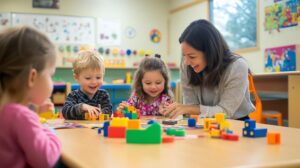
Play-based learning provides abundant opportunities for social interaction. Preschool environments encourage children to cooperate, take turns, and communicate with peers. These interactions teach empathy, conflict resolution, and teamwork.
Teachers guide children during play to model positive social behavior. Children learn how to express themselves, listen, and respect others’ ideas. Over time, these skills help children build strong friendships and develop confidence in social settings.
In neighborhoods like Hudson and Monroe in Hoboken, community-focused Preschools offer safe and consistent spaces for children to practice social skills daily.
Emotional Growth and Confidence
Preschool is not just about academics; it’s also about emotional development. Play-based learning allows children to explore feelings in a safe setting. Role-playing, storytelling, and cooperative games help children understand their emotions and those of others.
Children gain confidence as they make choices and complete tasks independently. They learn that mistakes are opportunities to grow, which fosters resilience. When children feel capable and supported, they develop a positive attitude toward learning.
Physical Development Through Active Play
Physical activity is another key component of play-based learning. In Preschool, children climb, run, jump, and manipulate objects, all of which build fine and gross motor skills. Movement also promotes overall health and coordination.
Outdoor play, obstacle courses, and dance activities allow children to practice strength, balance, and spatial awareness. These experiences not only enhance physical development but also improve focus and engagement for indoor learning.
Preschool programs in Hudson and Monroe in Hoboken often incorporate daily outdoor activities to support physical and social development simultaneously.
Language and Communication Skills
Play is a natural way to enhance language skills. During dramatic play, children describe actions, tell stories, and engage in conversations with peers. These interactions build vocabulary, grammar, and comprehension.
Teachers introduce new words and concepts in context, making learning meaningful. Songs, books, and guided storytelling enrich language skills further. By the time children transition to kindergarten, they are better equipped to communicate effectively.
Preschool encourages children to express ideas clearly, ask questions, and participate confidently in group discussions.
Preparing Children for School Success
Play-based learning in Preschool prepares children for future academic success. Children develop critical thinking, social competence, and self-regulation—skills essential for the classroom environment. They also learn curiosity, persistence, and the joy of discovery.
Unlike traditional instruction, play-based learning respects each child’s pace. Children feel motivated to engage in learning without pressure or fear of failure. This foundation encourages lifelong learning habits.
For families in Hudson and Monroe in Hoboken, choosing a play-based Preschool provides both academic readiness and emotional security in a familiar community setting.
How Parents Can Support Play-Based Learning at Home
Parents can extend the benefits of Preschool play at home. Provide open-ended toys, encourage exploration, and allow children to make choices during play. Ask questions and engage with your child’s ideas to stimulate thinking.
Reading together, imaginative games, and outdoor activities reinforce skills learned in Preschool. Consistency and positive reinforcement help children feel confident as they apply what they learn.
Collaboration with teachers ensures that home activities align with classroom goals and support overall development.
Choosing the Right Play-Based Preschool
When selecting a Preschool, look for programs that emphasize guided play, experienced teachers, and a nurturing environment. Small class sizes and well-planned learning centers enhance the quality of play.
Families in Hudson and Monroe in Hoboken should also consider accessibility, safety, and community involvement. A supportive environment ensures children thrive both socially and academically.
You can explore our play-based Preschool programs here: https://thestepbystepschool.com/programs.
Take the Next Step
Play-based learning transforms early childhood education. It develops cognitive, social, emotional, and physical skills in a joyful and natural way. For children in Hudson and Monroe in Hoboken, a nurturing Preschool environment can make a lasting difference.
Visit https://thestepbystepschool.com to learn more about our programs, schedule a tour, and see how play-based learning supports early development every day.
Frequently Asked Questions About Preschool
What is play-based learning in Preschool?
Play-based learning is an approach where children learn through hands-on, guided play. It supports cognitive, social, emotional, and physical development naturally.
How does Preschool help social skills through play?
Preschool provides opportunities for cooperative play, turn-taking, and communication. Teachers guide interactions, teaching empathy and conflict resolution.
Can play-based learning improve confidence?
Yes. Play-based activities allow children to make choices and solve problems independently, which builds self-esteem and emotional resilience.
How does Preschool support early academic skills?
Through structured play, children explore numbers, letters, shapes, and problem-solving in engaging, meaningful contexts, preparing them for school success.
How can parents reinforce play-based learning at home?
Parents can provide open-ended toys, encourage creative play, and participate in storytelling or games to reinforce skills learned in Preschool.