When parents begin exploring early childhood care, one of the most common questions is whether Preschool or daycare is the right choice. At first glance, the two can seem similar. Both provide care, supervision, and a safe place for children while parents work. Yet the experience your child receives in Preschool compared to daycare can be very different.
Understanding these differences helps you make a confident decision. For families in Hudson and Monroe in Hoboken, this choice often depends on a child’s age, development, and family goals. This guide breaks down the real differences in a clear, practical way.
Understanding Preschool and Daycare
Preschool is an early learning program focused on preparing children emotionally, socially, and cognitively for school. It typically serves children ages three to four and follows a structured curriculum. Learning is guided by trained educators who support development through play and routines.
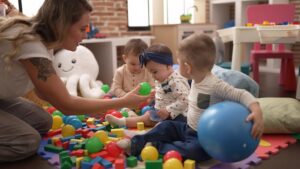
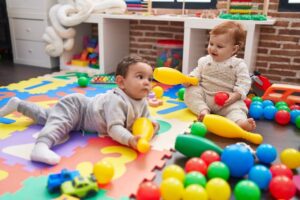
Daycare, on the other hand, focuses primarily on supervision and care. While learning may occur naturally, it is not always guided by a formal educational framework. Daycare is often available for a wider age range, including infants and toddlers.
Both options can be nurturing and safe. The key difference lies in the purpose and structure of the environment.
Preschool vs Daycare: Daily Structure and Routine
Preschool days are carefully planned. Children follow predictable routines that include group time, learning activities, outdoor play, and quiet moments. This structure helps children feel secure and supports early school readiness.
Daycare routines are usually more flexible. The focus is on meeting children’s basic needs such as meals, naps, and playtime. This flexibility works well for very young children or families needing extended hours.
In Preschool, routines are designed to teach time awareness and self-regulation. These skills become important as children transition to kindergarten.
Learning and Curriculum Differences
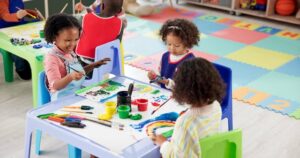
Learning is a core part of Preschool. Children are introduced to early literacy, numbers, shapes, and problem-solving in age-appropriate ways. Activities are intentional and aligned with developmental milestones.
Daycare learning tends to be informal. Children learn through free play and interaction, which still supports development but without structured educational goals. This can be beneficial for younger children who are not yet ready for formal learning.
Social and Emotional Development
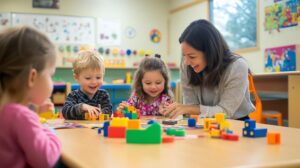
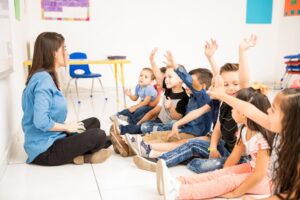
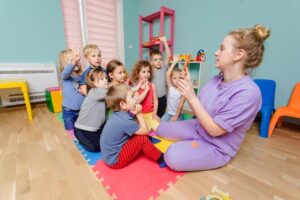
Both Preschool and daycare support social development, but the approach differs. Preschool places strong emphasis on social skills, emotional awareness, and cooperation. Teachers guide children through group activities and peer interactions.
Children learn to share, listen, and resolve conflicts with support. These guided experiences help build confidence and emotional intelligence. Preschool environments often encourage children to express feelings using words.
Daycare also supports social interaction but may not offer the same level of guided emotional learning. This difference becomes more noticeable as children approach school age.
Independence and School Readiness
Independence is a major goal of Preschool. Children are encouraged to manage small tasks such as cleaning up, choosing activities, and following classroom routines. These responsibilities help children feel capable and confident.
Preschool also introduces children to classroom expectations similar to kindergarten. Sitting in a group, listening to instructions, and transitioning between activities become familiar experiences.
Daycare environments may support independence in basic ways but are less focused on school readiness. For families planning ahead, Preschool often provides a smoother transition to formal schooling.
Teacher Qualifications and Class Environment
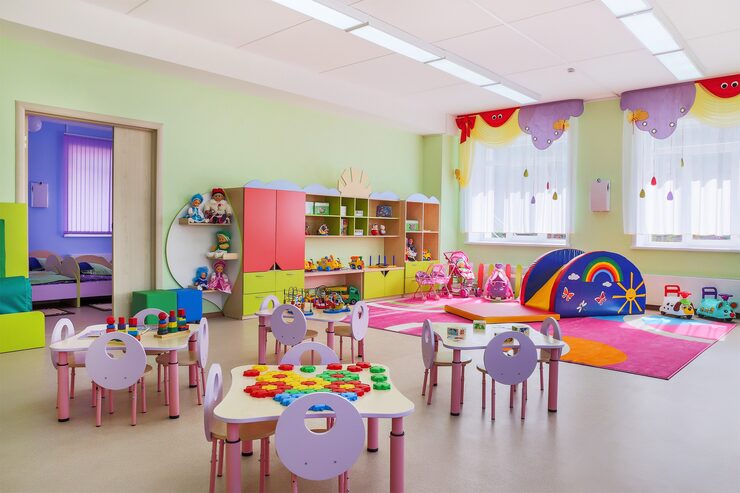
Preschool teachers typically have training in early childhood education. They understand child development and use strategies that support learning and emotional growth. Classrooms are designed with educational goals in mind.
Daycare staff are focused on care and safety. While many caregivers are experienced and nurturing, they may not always have formal teaching training. The environment is often more relaxed and care-oriented.
When choosing between Preschool and daycare, understanding staff qualifications can help align your choice with your child’s needs.
Choosing What’s Right for Your Family
There is no one-size-fits-all answer. The right choice depends on your child’s age, personality, and developmental stage. Younger children may benefit from the flexible care of daycare, while older children often thrive in Preschool settings.
Families in Hudson and Monroe in Hoboken may also consider location, schedule, and community connection. A nearby Preschool can offer consistency and familiarity that supports emotional comfort.
Making the Transition With Confidence
Transitioning into Preschool or daycare can be emotional. Preparing your child ahead of time helps ease anxiety. Talk about what their day will look like and keep routines consistent at home.
Visit the environment together when possible. Familiar faces and spaces help children feel secure. Communication with caregivers or teachers also supports a smooth transition.
When families and educators work together, children feel supported and confident in new environments.
Supporting Your Child’s Long-Term Growth
Preschool and daycare both play valuable roles in early childhood. The key is choosing an environment that supports your child’s growth, learning style, and emotional needs. Preschool often offers a more structured path toward school readiness.
Children who attend quality Preschool programs often develop stronger social skills and learning habits. These benefits can extend into their academic journey and beyond.
Understanding the differences allows you to make an informed choice with peace of mind.
Take the Next Step
If you are exploring Preschool options in Hudson or Monroe in Hoboken, we invite you to learn more about our approach. Our programs are designed to support learning, confidence, and emotional growth in a nurturing environment.
Visit https://thestepbystepschool.com to explore our programs, schedule a tour, and see how Preschool can support your child’s early years.
Frequently Asked Questions About Preschool
Is Preschool better than daycare?
Preschool is better for children who are ready for structured learning and social development. It focuses on school readiness, while daycare focuses more on care.
At what age should a child start Preschool?
Most children begin Preschool between ages three and four. Readiness depends on emotional development and comfort with group settings.
Can Preschool and daycare be combined?
Yes. Some families use daycare for extended care and Preschool for structured learning. This combination can work well when coordinated.
How does Preschool support social skills?
Preschool provides guided group activities that teach sharing, communication, and emotional regulation in a supportive environment.
What should parents look for in a Preschool?
Parents should look for trained teachers, a nurturing environment, clear routines, and strong communication with families.