Social skills begin forming in the earliest years. Children learn how to communicate, share, and solve problems long before kindergarten. Daycare provides the perfect environment for this early social growth. Families in Hoboken, especially near Hudson and Monroe, rely on local daycare centers to build these foundational skills. Understanding how daycare supports socialization can help you make informed childcare choices.
The Importance of Early Socialization
Early childhood socialization shapes your child’s emotional, cognitive, and behavioral development. Children learn empathy, patience, and cooperation through peer interactions. Without exposure to other children, they may struggle with conflict resolution and teamwork later. Daycare centers create opportunities for children to engage in structured and unstructured play, building both social confidence and emotional resilience. According to the American Academy of Pediatrics, social interactions in early years are essential for healthy brain development.
How Daycare Supports Peer Interaction
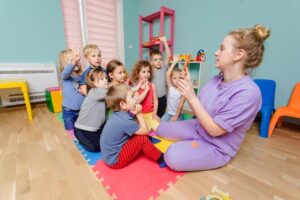
Daycare provides daily opportunities for children to meet peers of similar age. Structured group activities, free play, and collaborative learning teach children to share and negotiate. They also learn to understand non-verbal cues, tone of voice, and body language. Regular exposure to other children helps toddlers manage emotions like frustration, excitement, or disappointment. Centers in Hudson and Monroe maintain small class sizes to maximize interaction and attention for each child.
Learning Through Play in Daycare
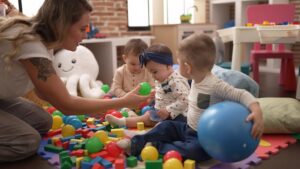
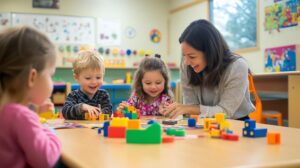
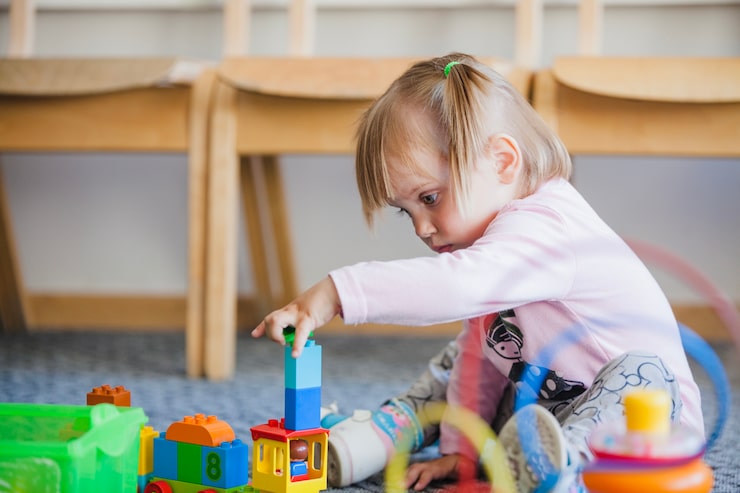
Play is a central part of early socialization. Daycare environments offer toys, games, and creative activities that encourage teamwork and cooperation. For example, group building projects or storytelling activities help children express ideas and listen to others. Play also teaches problem-solving and conflict resolution. Through daily routines, children understand turn-taking, patience, and empathy. High-quality daycare centers structure play to combine fun with social skill development.
Emotional Benefits of Daycare
Emotional growth is deeply tied to social experiences. Daycare helps children learn to identify and regulate their emotions. Teachers guide children in expressing feelings appropriately and supporting peers in stressful situations. This environment fosters confidence and independence. Children in daycare develop coping strategies that support long-term emotional well-being. Families in Hoboken, especially in Hudson and Monroe, notice children become more adaptable and resilient over time.
Cognitive Advantages Through Social Exposure
Socialization in daycare also promotes cognitive development. Engaging with peers stimulates language development, critical thinking, and creativity. Children learn by observing and imitating others. Daycare teachers design activities that encourage collaboration and problem-solving. Research shows that children exposed to peer interactions in early childhood perform better in school readiness assessments and communication tasks.
Structured Learning vs. Free Interaction
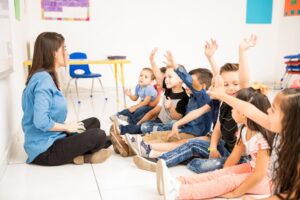
Daycare balances structured learning with free interaction. Circle time, story sessions, and group activities provide guidance and skill development. Free play lets children experiment socially and emotionally in safe settings. This combination ensures children gain both confidence and competence. Families in Hudson and Monroe can visit local centers to observe how these methods are implemented.
Socialization and Language Development
Language skills grow alongside social experiences. Children in daycare hear diverse vocabulary, ask questions, and express themselves with peers. Teachers reinforce language through conversation, reading, and guided activities. Early exposure to social language improves communication, listening, and comprehension skills. This prepares children for school and helps them form lasting relationships.
Choosing a Daycare That Enhances Socialization
Not all daycare centers provide the same social benefits. Look for programs with small class sizes, trained teachers, and structured play. Observe how children interact during visits to Hudson and Monroe daycare centers. Ask about social curriculum, conflict resolution strategies, and group activity schedules. Centers with active parent communication often report stronger social and emotional growth among children.
Monitoring Progress and Engagement
Parents should stay involved even when children attend daycare. Daily updates, observation opportunities, and parent-teacher conferences help track social and emotional progress. Watching your child develop friendships, handle disputes, and engage in activities confirms the benefits of early socialization. The right daycare turns peer interaction into lasting skills that support your child’s growth and school readiness.
Conclusion
Early childhood socialization starts in daycare and has lasting benefits. Children learn communication, empathy, problem-solving, and emotional regulation. Families in Hoboken, particularly near Hudson and Monroe, can support this development by choosing high-quality daycare centers. Observing interactions, assessing programs, and communicating with teachers ensures children thrive socially and emotionally. Invest in a daycare that fosters growth, and watch your child flourish in confidence and relationships.
FAQs
1. Why is daycare important for early childhood socialization?
Daycare introduces children to peers and structured group activities. This environment helps children learn communication, cooperation, and empathy. Social interactions in daycare support emotional and cognitive growth from an early age.
2. How do daycare teachers support social skill development?
Teachers guide children during group activities, teach conflict resolution, and encourage sharing. They provide structured lessons and supervise free play to ensure children interact positively and safely.
3. Can socialization in daycare improve language skills?
Yes. Children communicate with peers and adults daily, which expands vocabulary and enhances listening skills. Storytelling, songs, and group activities in daycare strengthen expressive and receptive language development.
4. How can parents track social progress in daycare?
Parents can review daily reports, attend observation sessions, and discuss development with teachers. Monitoring friendships, emotional regulation, and participation in group activities provides insight into social growth.
5. What should I look for in a daycare in Hudson or Monroe to support socialization?
Look for small class sizes, experienced teachers, structured play, and strong parent-teacher communication. Observe how children interact during free play and guided activities to ensure social skill development is emphasized.