
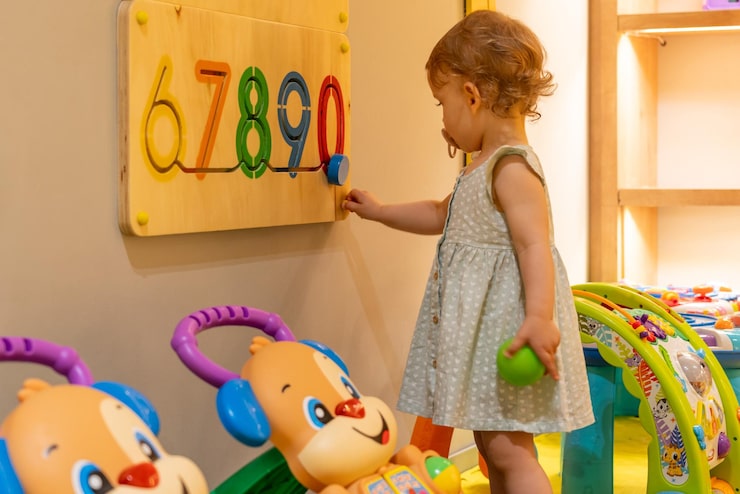
Starting Daycare is an important milestone for both children and parents. Many families feel excited about the learning opportunities, yet they may also wonder if their child is truly ready. Every child develops at a different pace, so readiness is not only about age. It also depends on emotional comfort, curiosity, and the ability to interact with others. Understanding the signs that indicate readiness for Daycare can make the transition smoother for the whole family.
For parents living near Hudson and Monroe in Hoboken, choosing the right Daycare is often one of the first steps toward early childhood education. A quality childcare environment helps children build confidence, develop social skills, and begin exploring structured learning activities. When children enter Daycare at the right stage of development, they often adapt more quickly and enjoy the experience. The following signs can help parents decide whether their child may be ready for this next step.
Why Daycare Readiness Matters
Recognizing readiness for Daycare helps children feel more comfortable when they start a new routine. A supportive environment encourages children to explore new activities and build friendships. Early exposure to structured learning and play also strengthens communication and problem-solving skills.
Research from the American Academy of Pediatrics shows that early social interaction and guided play contribute to emotional and cognitive growth. When children are ready for Daycare, they adapt faster and develop positive attitudes toward learning. Parents also gain peace of mind knowing their child is thriving in a nurturing environment.
Sign 1: Your Child Shows Curiosity About Other Children
One of the first signs of readiness for Daycare is curiosity about other children. Many toddlers begin watching, smiling at, or approaching peers during playtime. This natural interest in social interaction indicates that they are beginning to enjoy group environments.
In a Daycare setting, children have daily opportunities to interact with peers through games, art projects, and shared activities. These interactions help children learn how to cooperate, take turns, and communicate with others. For families in Hudson and Monroe in Hoboken, visiting a local Daycare during play hours can help parents see how their child responds to group settings.
Sign 2: Your Child Can Follow Simple Instructions
Another important indicator is the ability to understand and follow basic directions. A child who can respond to simple requests such as “put the toy back” or “come sit here” may be ready for a Daycare routine. This skill helps children adjust to group activities and classroom expectations.
Daily schedules are a key part of a Daycare environment. Children participate in structured activities such as story time, snack breaks, and outdoor play. Being able to follow simple instructions allows them to transition smoothly between these activities. A child who shows this ability often feels more confident in a structured Daycare setting.
Sign 3: Your Child Is Comfortable Spending Short Periods Away From You
Separation anxiety is normal, especially during the early years. However, children who can stay with a caregiver or family member for short periods may be ready for Daycare. Comfort with temporary separation helps children adapt more easily to new caregivers and environments.
A gradual introduction to Daycare can make this process easier. Parents sometimes begin with shorter visits before transitioning to full days. Many Daycare programs near Hudson and Monroe in Hoboken offer orientation sessions so families can become familiar with the environment and staff.
Sign 4: Your Child Shows Interest in Learning and Exploration
Curiosity is a strong indicator that a child may benefit from Daycare. Children who enjoy exploring toys, books, and creative activities often thrive in environments where learning is encouraged. A quality Daycare program provides hands-on experiences that stimulate curiosity and imagination.
Play-based learning is widely recommended in early childhood education. The National Association for the Education of Young Children emphasizes that exploration and creative play are essential for healthy development. In Daycare classrooms, children participate in activities such as storytelling, music, art, and simple science experiments.
Sign 5: Your Child Is Beginning to Communicate Needs
Communication does not need to be perfect for a child to start Daycare. However, children who can express basic needs often adjust more easily. This may include simple words, gestures, or signs that indicate hunger, tiredness, or interest in a toy.
Daycare teachers are trained to support developing communication skills. Through songs, group activities, and conversations, children expand their vocabulary and confidence. Parents often notice rapid language development after their child begins attending Daycare regularly.
Preparing Your Child for the Daycare Experience
Even if your child shows several readiness signs, preparation still plays an important role. Talking about Daycare in a positive way can help children feel excited rather than anxious. Parents can also read books about school or role-play daily routines at home.
Visiting the Daycare center before the first day can make the environment feel familiar. Many families in Hudson and Monroe in Hoboken find that meeting teachers and exploring classrooms reduces first-day stress. A thoughtful introduction helps children view Daycare as a place for fun, learning, and friendships.
Supporting Your Child’s First Weeks in Daycare
The first few weeks in Daycare are a period of adjustment. Children may feel excited one day and uncertain the next. Consistency in routines helps them build confidence and trust in their new environment.
Parents can support the transition by maintaining predictable schedules at home. Encouraging conversations about Daycare experiences also helps children process their feelings. Over time, most children begin to look forward to the activities and friendships that Daycare offers.
Final Thoughts
Every child develops at a unique pace, and readiness for Daycare can look different for each family. Observing social interest, communication skills, curiosity, and comfort with separation can help parents recognize when the time is right. A supportive Daycare environment can nurture these abilities and encourage healthy growth.
If you are exploring Daycare options near Hudson or Monroe in Hoboken, we invite you to learn more about our programs and meet our experienced educators. Our goal is to create a safe, welcoming space where children can explore, learn, and build meaningful connections. Contact us today to schedule a visit and discover how our Daycare community can support your child’s development.
Frequently Asked Questions
1. What age is ideal to start Daycare?
The ideal age for Daycare depends on a child’s development and family needs. Many children begin Daycare between six months and three years. A high-quality Daycare program provides age-appropriate activities that support early learning and social development.
2. How can I prepare my child emotionally for Daycare?
Preparing a child for Daycare involves creating a positive introduction. Talk about the experience in a reassuring way and visit the Daycare center together before the first day. Gradual transitions can help children feel comfortable with new routines and caregivers.
3. What benefits does Daycare offer young children?
A well-structured Daycare program promotes social interaction, early learning, and independence. Children participate in activities that support language development, creativity, and problem-solving skills. These experiences often help children build confidence and curiosity.
4. How long does it take a child to adjust to Daycare?
Adjustment times vary, but most children adapt to Daycare within a few weeks. Consistent routines, supportive teachers, and open communication between parents and caregivers help make the transition smoother.
5. How do I know if a Daycare program is high quality?
A quality Daycare center should have trained staff, safe facilities, and structured learning activities. Parents should observe how caregivers interact with children and review safety policies. Visiting the Daycare in person often provides the best understanding of its environment and approach.